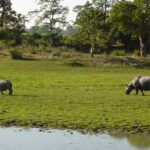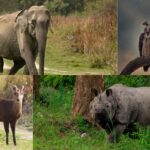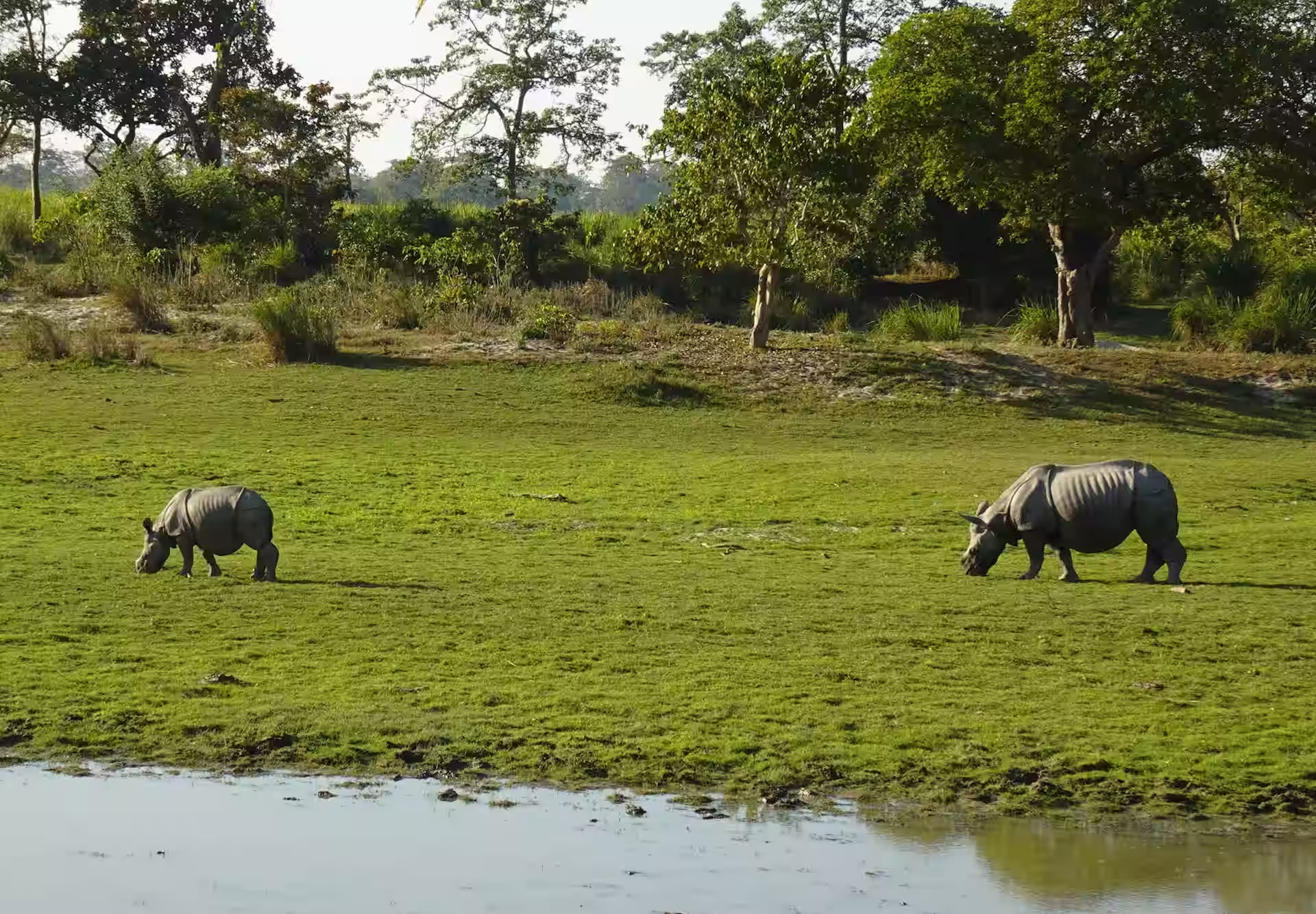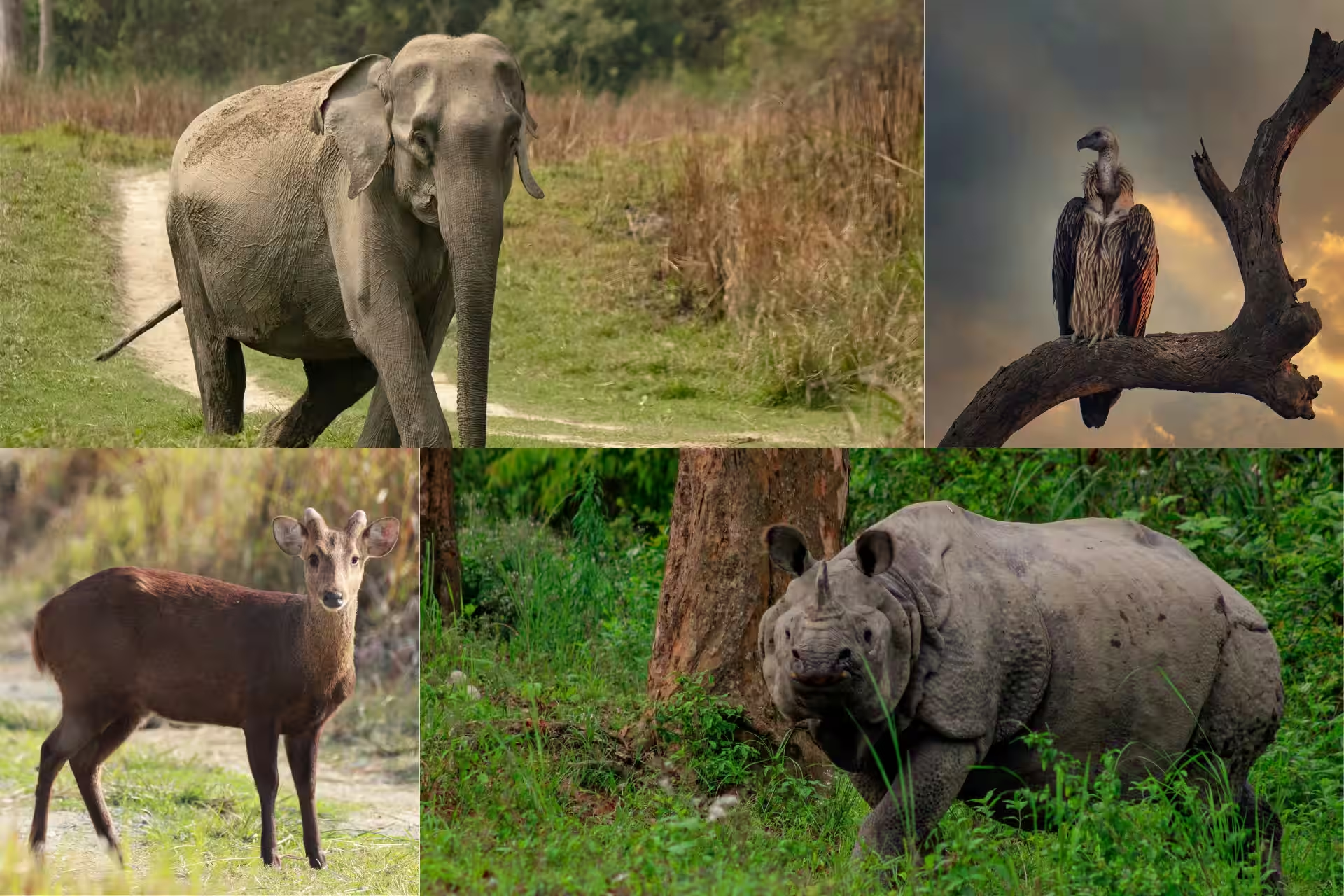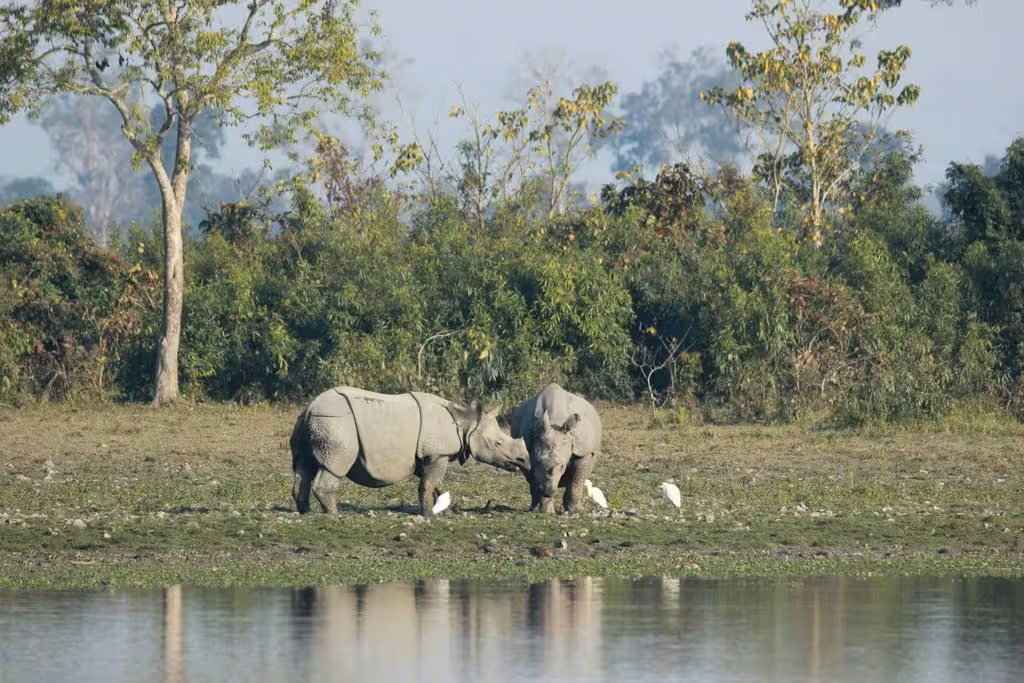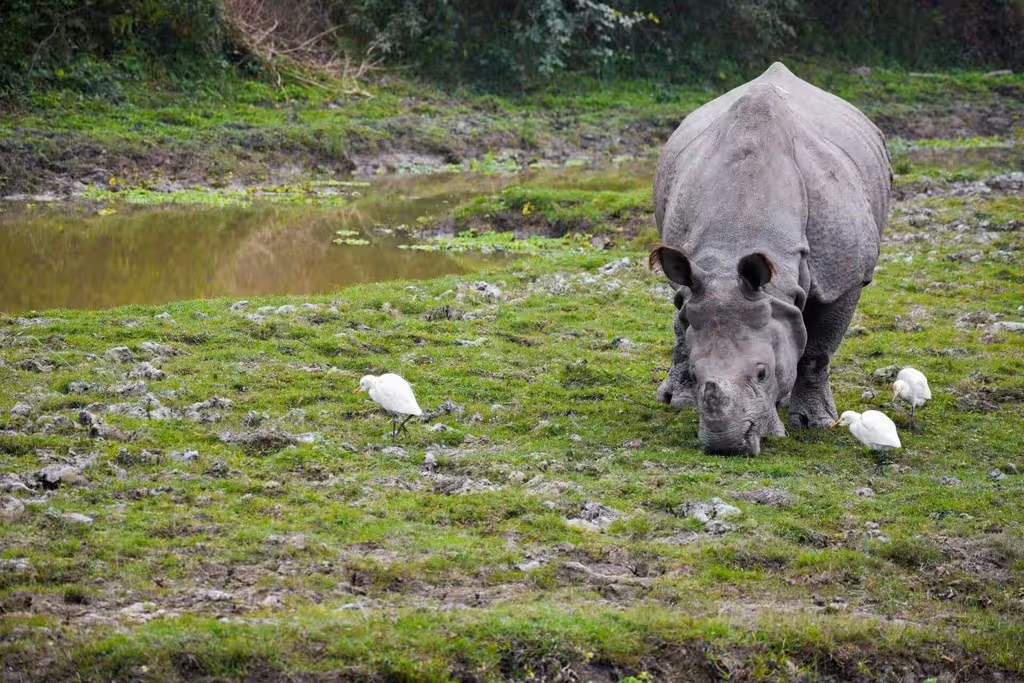
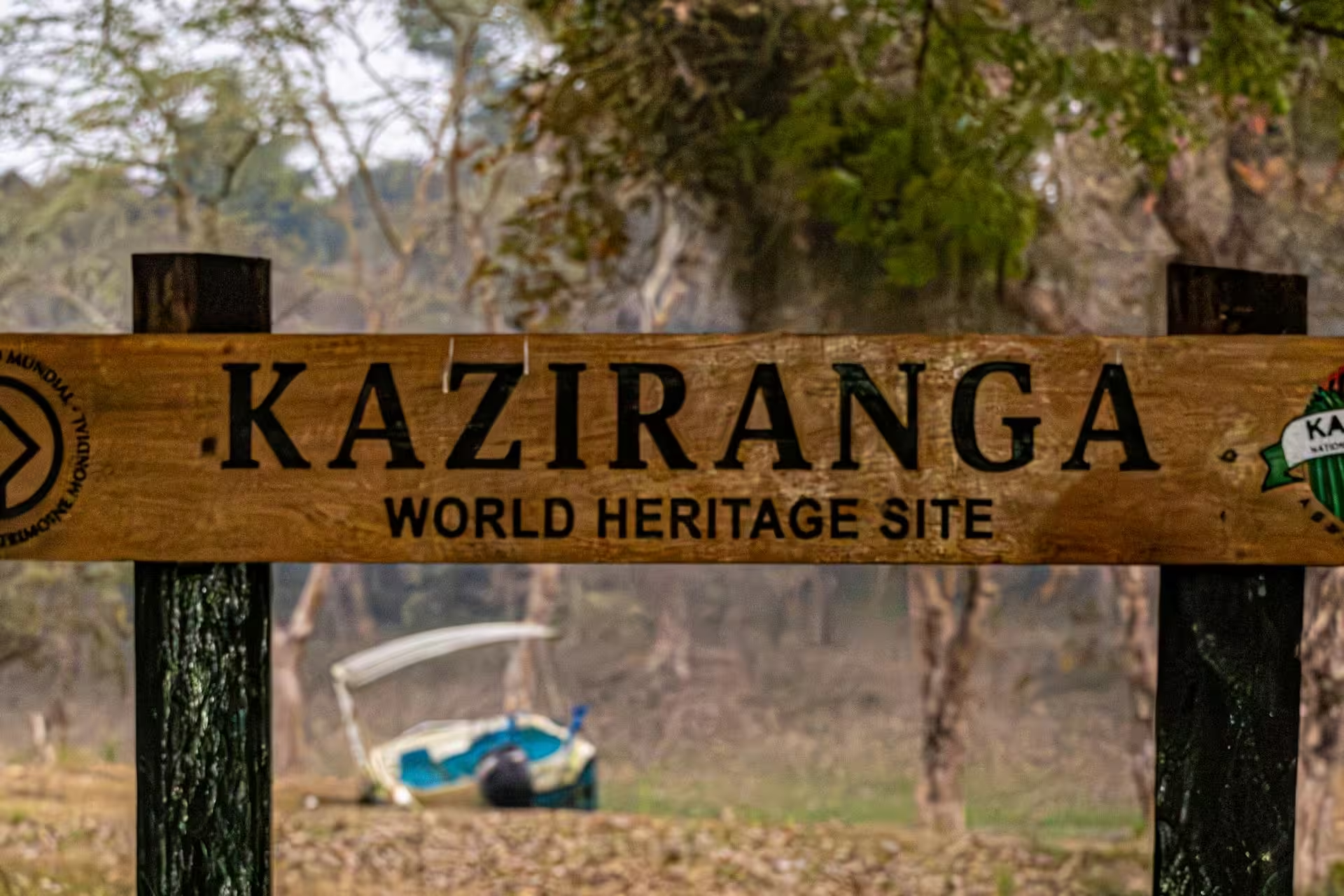
Most visitors come to Kaziranga for one thing - the one-horned rhinoceros.
But beyond jeep safaris and elephant rides, this UNESCO-listed landscape offers quieter, lesser-known experiences that reveal a very different side of Assam's wild heart.
If you have an extra day - or simply want to go beyond the standard itinerary - here are five offbeat things worth doing.
Visit a Mishing Tribal Village on the Brahmaputra Edge
Just outside the park boundaries, along the floodplains of the Brahmaputra, traditional Mishing villages sit in a landscape shaped entirely by water.
The Mishing community builds raised bamboo houses to survive seasonal floods - an architectural response to an environment that most visitors never think about beyond the safari gates. Spending time in one of these villages offers insight into flood-adapted building practices, traditional weaving, river-based agriculture, and daily life organised around monsoon cycles rather than convenience.
It is a reminder that Kaziranga is not just wildlife habitat. It is a living cultural landscape where people and nature have negotiated terms for generations.
Explore the Tea Estates Around Kaziranga
Assam's tea country surrounds the park, and most visitors drive past it without stopping.
A guided walk through a working tea estate gives you a genuinely different pace - rows of low bushes stretching across gentle slopes, the process of plucking and processing explained by someone who does it daily, and a quietness that contrasts sharply with the open grasslands of the park. Some estates offer tasting sessions where different grades of Assam tea can be sampled properly rather than from a generic hotel pot.
It is a slower, scenic way to spend an afternoon between safaris, and it adds a layer of regional understanding that the park alone cannot provide.
Take a Boat Ride on the Brahmaputra River
Instead of staying within the safari zones, step onto the river that shapes the entire ecosystem.
The Brahmaputra is the reason Kaziranga exists in the form it does. Annual flooding renews the grasslands, creates the wetlands, and drives the movement of every animal in the park. Seeing it from a boat - the wide sandbars, shifting channels, migratory water birds moving across the surface, and occasionally river dolphins if conditions are right - gives you a perspective on the landscape that no jeep drive can offer.
The river is the lifeline of Kaziranga. Seeing it up close deepens your understanding of how the park survives and regenerates every year.
Birding in the Less-Visited Zones
Kaziranga hosts over 450 bird species, and most visitors walk past most of them on their way to find a rhino.
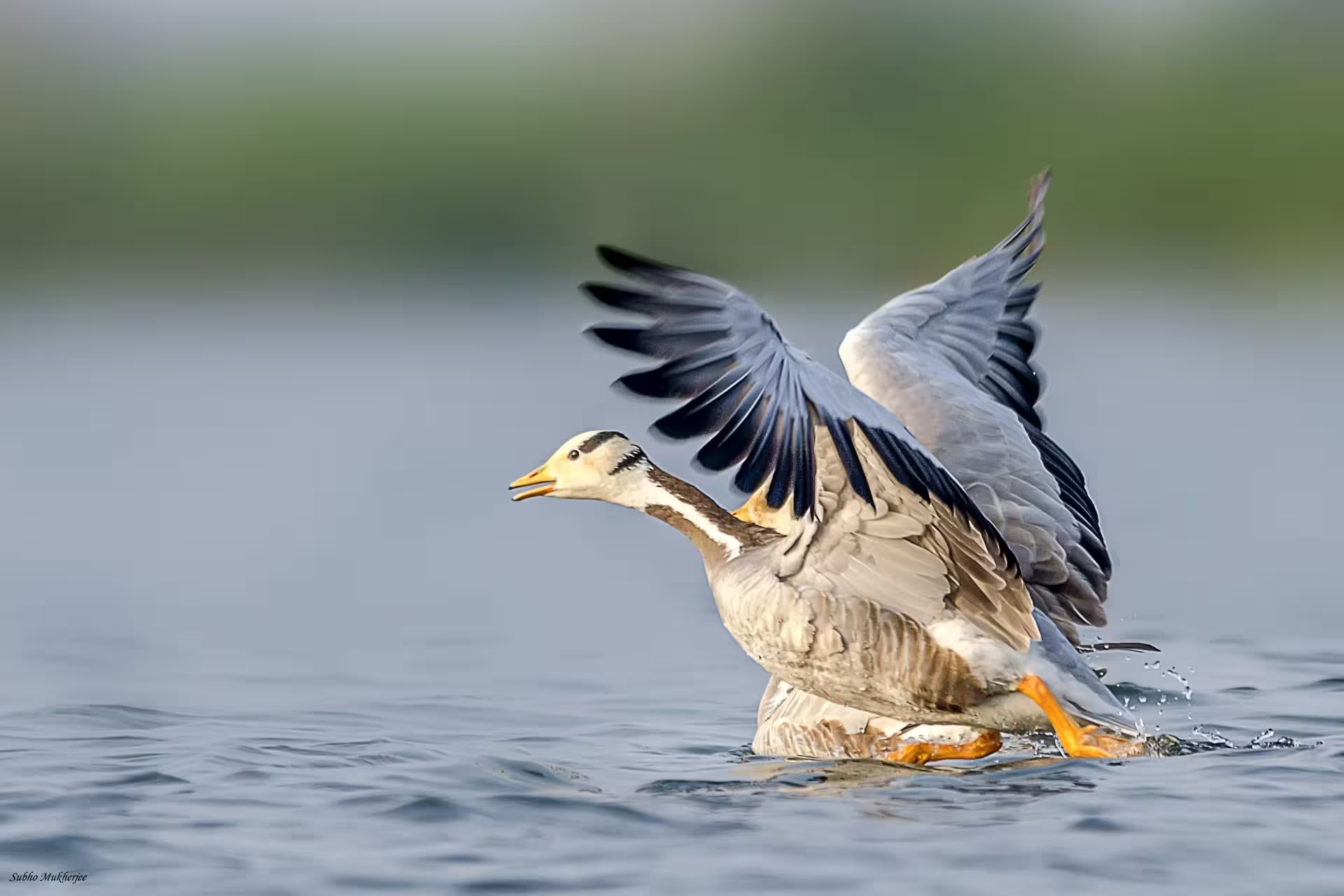
Spending a morning with a dedicated bird guide in buffer areas or nearby wetlands shifts the pace of the trip entirely. Swamp francolins move through tall grass. Fishing eagles hold position above slow water. Bar-headed geese arrive in winter. Hornbill species appear in tree lines that jeep tracks pass without slowing.
Birding forces you to slow down and notice the finer details of the ecosystem - the layers of life that exist beneath the megafauna headline. For travellers who have already done the standard safari, it is one of the most rewarding ways to spend a morning in the same landscape.
Visit the Orchid and Biodiversity Park
Near the park entrance lies the Kaziranga Orchid and Biodiversity Park, which is easier to dismiss than it deserves.
Beyond the hundreds of native orchid species on display, the space brings together traditional Assamese dance performances, indigenous musical instruments, and local handicrafts in a way that gives cultural context to everything around it. It is one of the few places in the region where conservation, culture, and community intersect in one accessible location.
For travellers interested in more than wildlife photography, it provides regional grounding that the safari experience alone does not offer.
Final Thoughts
Kaziranga is often experienced in short, high-intensity safari bursts. But the region deserves slower exploration.
The grasslands, the river, the tea gardens, and the villages together form a landscape shaped by wildlife, water, and people across centuries. Step slightly beyond the safari gates and Kaziranga becomes much more than a rhino destination. Book your guided safari with us.