
Kaziranga Rhino Safari Adventures
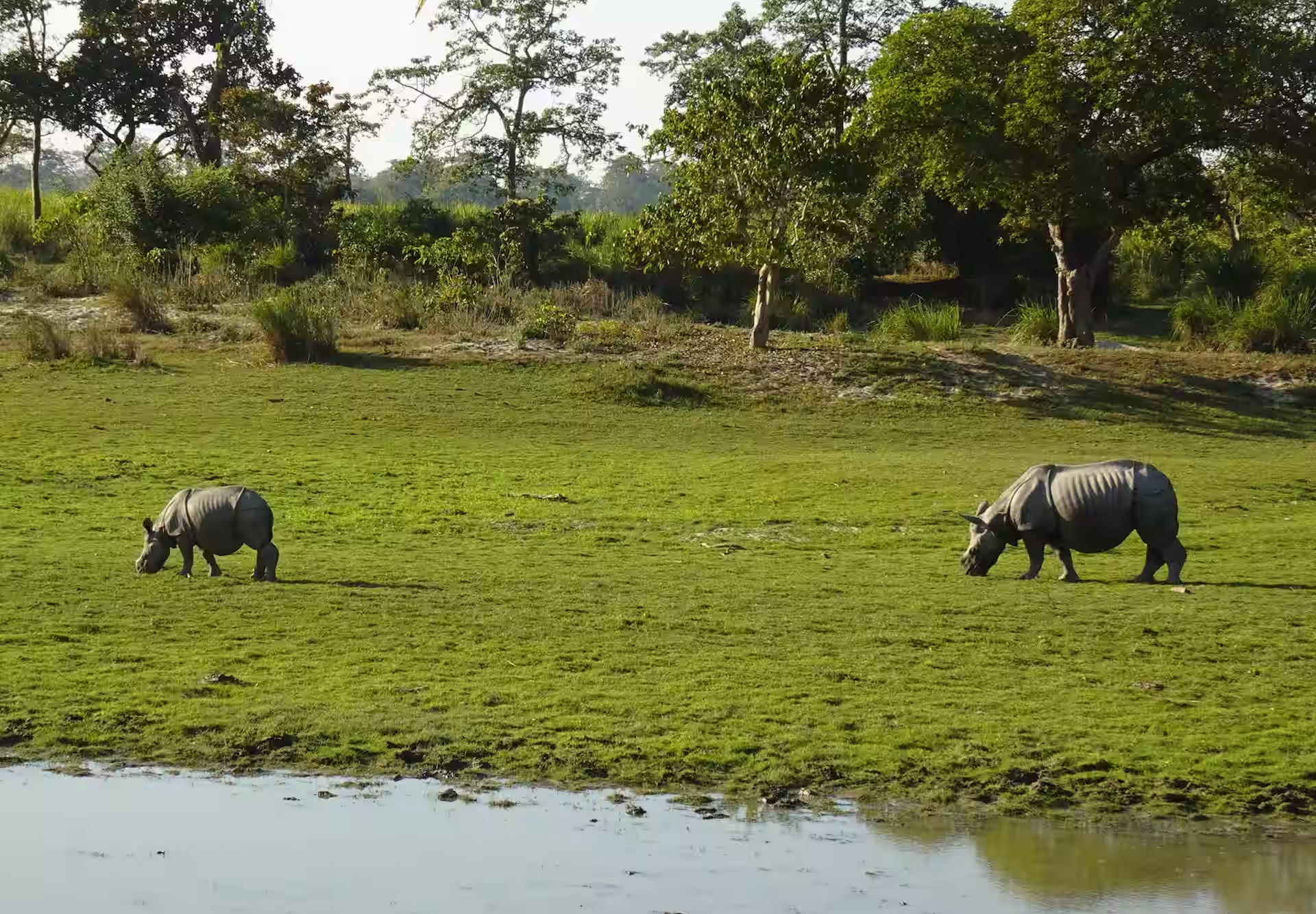
Kaziranga National Park in Assam is a UNESCO World Heritage Site declared in 1985 and one of the most significant wildlife sanctuaries in the world. It shelters approximately 2,613 Indian one-horned rhinoceroses, nearly 70% of the entire global population of the species.
Spread across 1,030 sq km of tall elephant grass, semi-tropical forests, and shallow wetlands along the southern bank of the Brahmaputra River, Kaziranga is also a Project Tiger Reserve with one of the highest tiger densities in India. The park supports the world's largest population of Asiatic water buffaloes, over 1,000 wild elephants, and more than 480 bird species.
Kaziranga is also the only place in India where you can combine a jeep safari through vast open grasslands with an elephant-back safari for close rhino encounters at dawn.
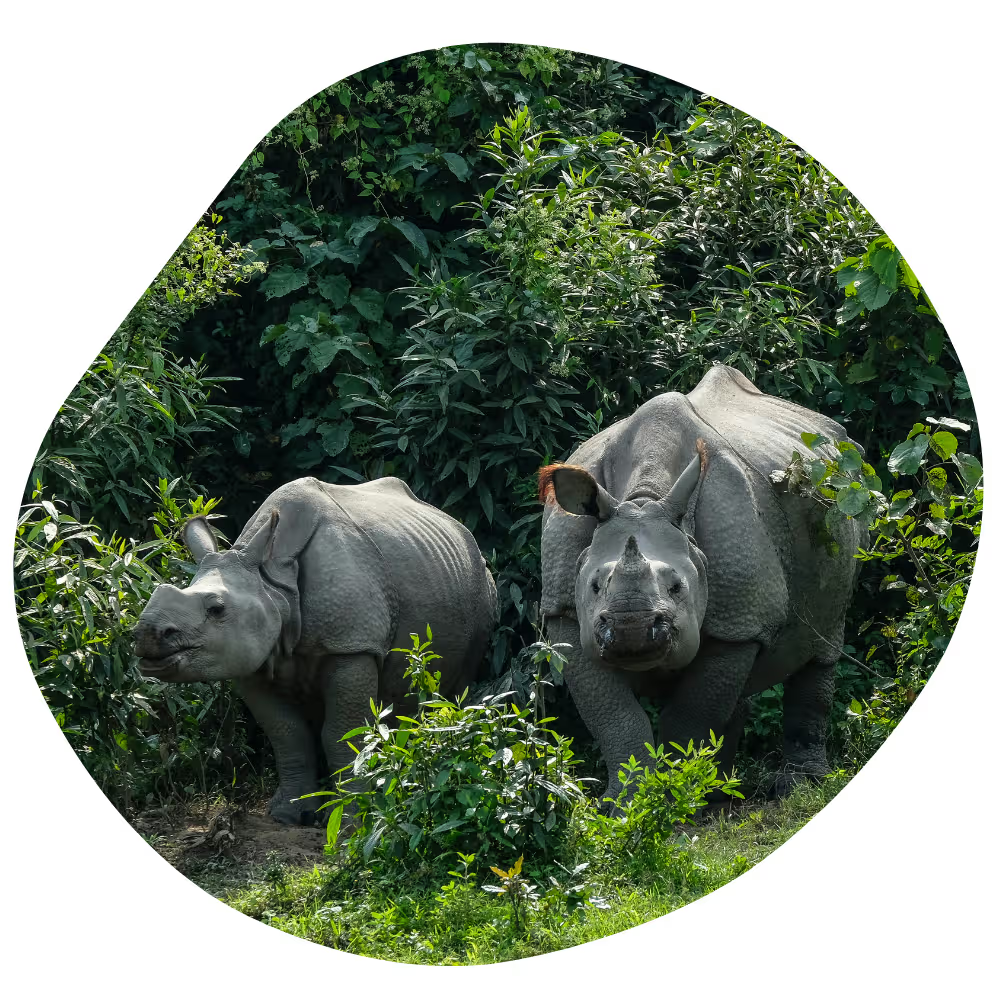

2,600+ One-Horned Rhinos
Kaziranga holds nearly 70% of the world's Indian one-horned rhinoceros population - the single greatest concentration of this species anywhere on Earth.

1,000+ Wild Elephants
Kaziranga supports one of India's largest wild elephant herds. Elephants are seen daily moving through the grasslands, forests, and wetland edges of the park.

Asiatic Water Buffalo
The park protects the world's largest surviving population of pure-bred Asiatic wild water buffaloes, typically seen grazing around the floodplain wetlands.

Bengal Tigers
Kaziranga is a Project Tiger Reserve with one of the highest tiger densities in India - approximately 104 tigers recorded in the 2018 census.
480+ Bird Species
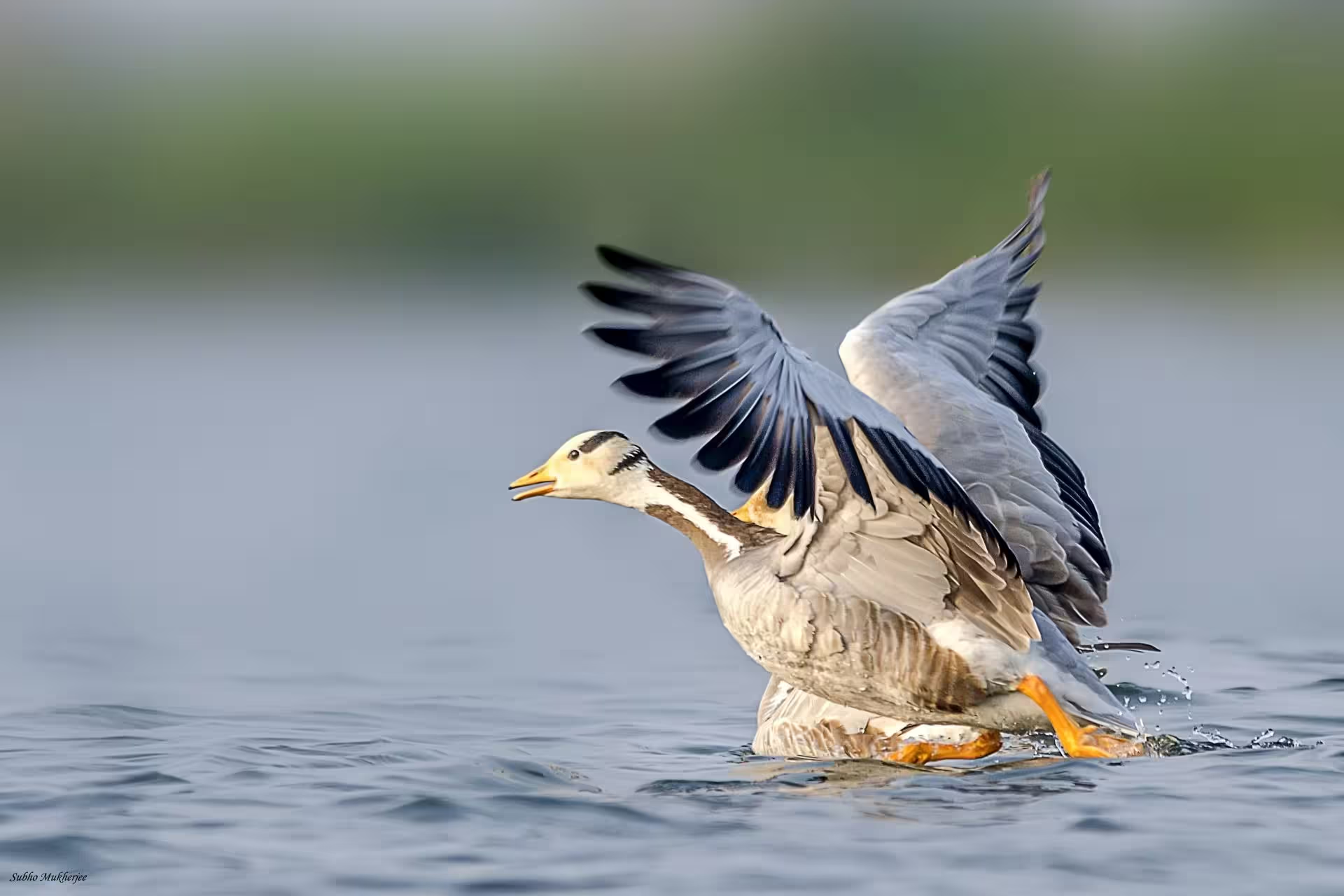
Kaziranga is an Important Bird Area (IBA) with 480 recorded species including the endangered greater adjutant stork, bar-headed goose, and Pallas's fish eagle.

Affordable Packages
From quick weekend rhino safaris to full northeast India wildlife circuits - we have packages designed for solo travellers, couples, families, and photography groups.
Popular Kaziranga Packages
2 Nights / 3 Days
Kaziranga Weekend Tour
3 Nights / 4 Days
kaziranga Budget Safari Tour
4 Nights / 5 Days
Kaziranga Photography Tour
5 Nights / 6 Days
Kaziranga & Manas Tour
11 Nights / 12 Days
Kaziranga, Pench & Tadoba Safari
13 Nights / 14 Days
Kaziranga, Pench & Kanha Tour
Top Things to do

Jeep Safari
Explore all four Kaziranga zones in an open jeep with a trained naturalist. The Central Range offers the best rhino, elephant, and tiger sightings each morning.

Elephant Safari
Ride silently through tall grass at dawn and come within metres of one-horned rhinos. A close encounter impossible to replicate from any jeep.

Bird Watching
Kaziranga is a designated Important Bird Area with 480+ species. Wetlands attract bar-headed geese, adjutant storks, and Pallas's fish eagles every winter season.

Wildlife Photography
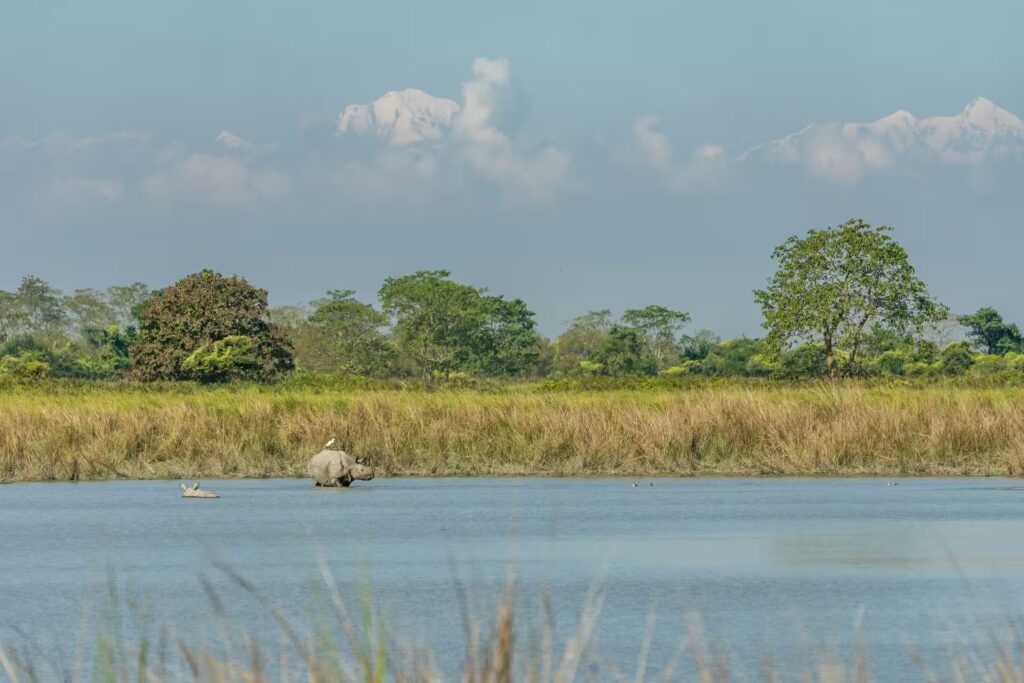
Open grasslands, wide skies, and misty mornings create frames found nowhere else. Rhinos with the Brahmaputra and Himalayan foothills behind them is a uniquely Kaziranga composition.
Best Time to Visit
Kaziranga in Summer (March to May)
Temperatures range between 25°C and 35°C with shorter grass giving better wildlife visibility. Animals gather near water bodies making rhino, buffalo, elephant, and tiger sightings more predictable. Visitor numbers are lower, so safaris are quieter and more relaxed.
Kaziranga in Winter (November to February)
Winter is the best overall time to visit. Temperatures between 8°C and 25°C make jeep and elephant safaris comfortable. Grass is at its shortest giving the clearest sightlines, and migratory birds arrive in large numbers between November and January.
Kaziranga in Monsoon (June to October)
The park closes from around June 1 to October 31 each year as the Brahmaputra floods large sections of the reserve. Safaris are not available during this period. The annual flooding is ecologically essential and replenishes the wetlands and grasslands that sustain Kaziranga's wildlife.
Travel Information Guide
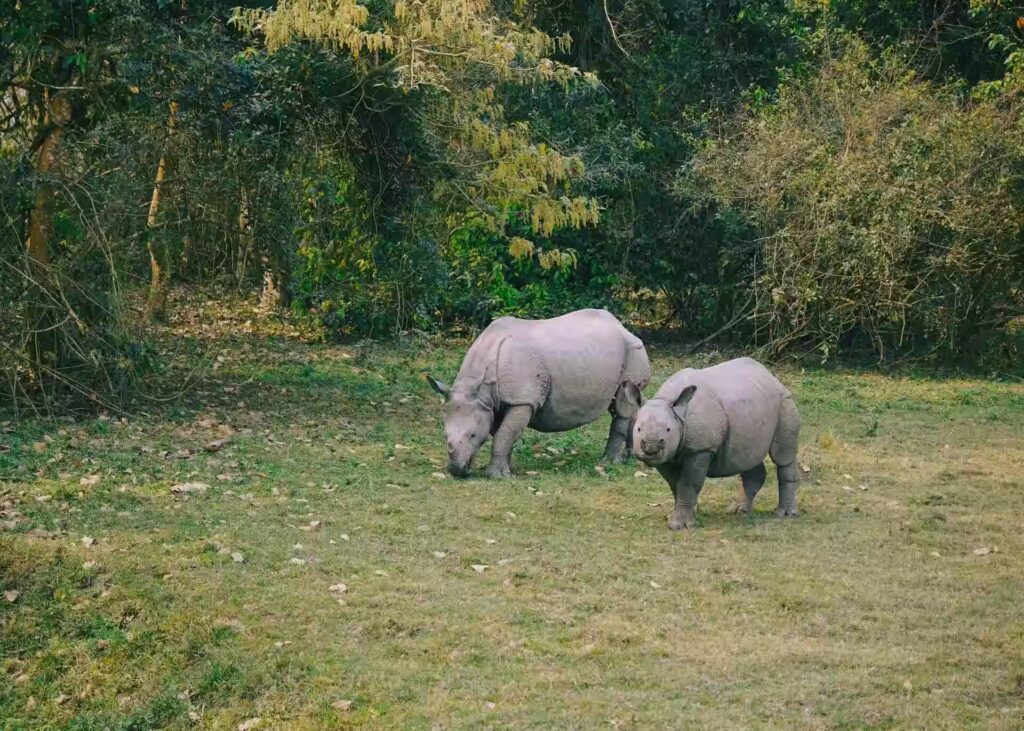
Safari Booking
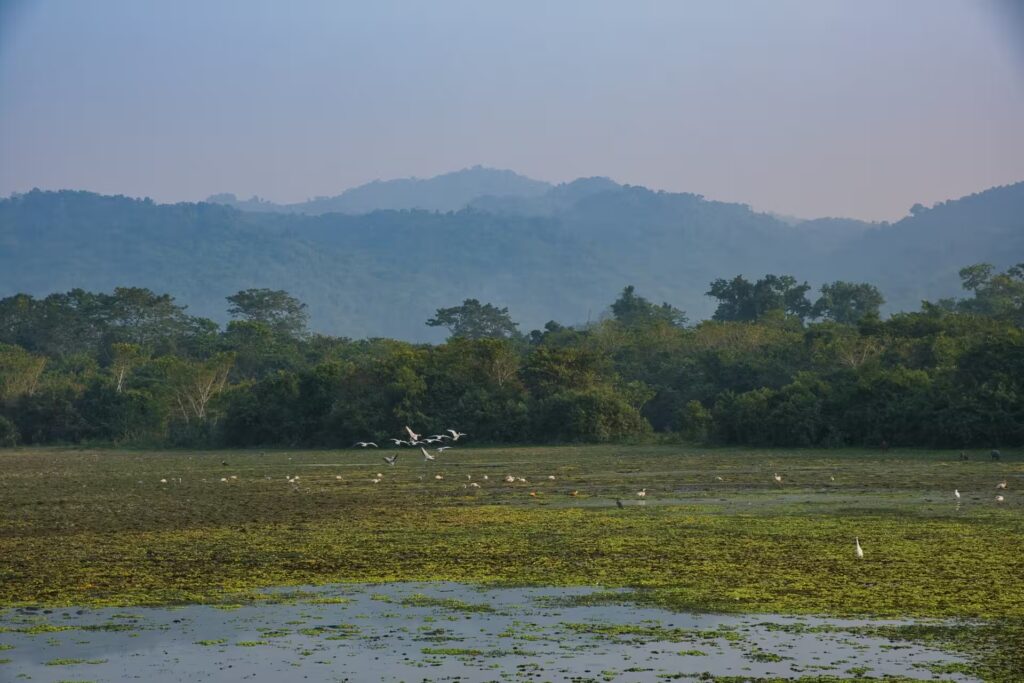
Flora in Kaziranga
How to Reach
Safari Zones
From Our Blog
Book Your Jeep Safari !
Join us for a Kaziranga safari and watch rhinos, elephants, and many birds in their natural setting. Book your jeep or elephant safari with trained guides for a simple and rewarding wildlife trip.
Frequently Asked Questions
What is Kaziranga National Park famous for?
Kaziranga National Park is famous for protecting the world's largest population of the Indian one-horned rhinoceros. According to the 2022 census, the park is home to approximately 2,613 rhinos. It is also a UNESCO World Heritage Site, a Project Tiger Reserve, and an Important Bird Area with more than 480 bird species.
Where is Kaziranga National Park located?
Kaziranga National Park is located in the Golaghat and Nagaon districts of Assam in northeastern India. The park lies along the southern bank of the Brahmaputra River. Kohora is the main tourist entry point, about 217 km from Guwahati and 75 km from Jorhat.
How many one-horned rhinos are in Kaziranga?
The 2022 rhino census recorded 2,613 Indian one-horned rhinoceroses in Kaziranga National Park. The park protects around 70% of the global wild population of this endangered species.
What are the safari zones in Kaziranga and which is best?
Kaziranga has four main safari ranges: Central (Kohora), Western (Bagori), Eastern (Agoratoli), and Burapahar. The Central Range is the most popular for rhino sightings, while the Western Range is known for large rhino herds. Eastern is ideal for birdwatching, and Burapahar is best for forest wildlife and hoolock gibbons.
What is the best time to visit Kaziranga National Park?
Kaziranga National Park is open from November 1 to May 31. November to February offers pleasant weather, excellent wildlife viewing, and migratory birds. March to May is the best period for rhino and tiger sightings near water bodies before the park closes for the monsoon.
What types of safaris are available in Kaziranga?
Kaziranga offers jeep safaris in all four safari ranges and elephant safaris in the Central and Western ranges. Jeep safaris operate in morning and afternoon sessions, while elephant safaris are available only during early morning hours with limited seats.