Kaziranga National Park is one of India’s most important wildlife landscapes. Its global reputation comes not only from high animal sightings but from the protection of species that are rare, threatened, or endangered across their range.
Here are the key animals that make Kaziranga a conservation stronghold.
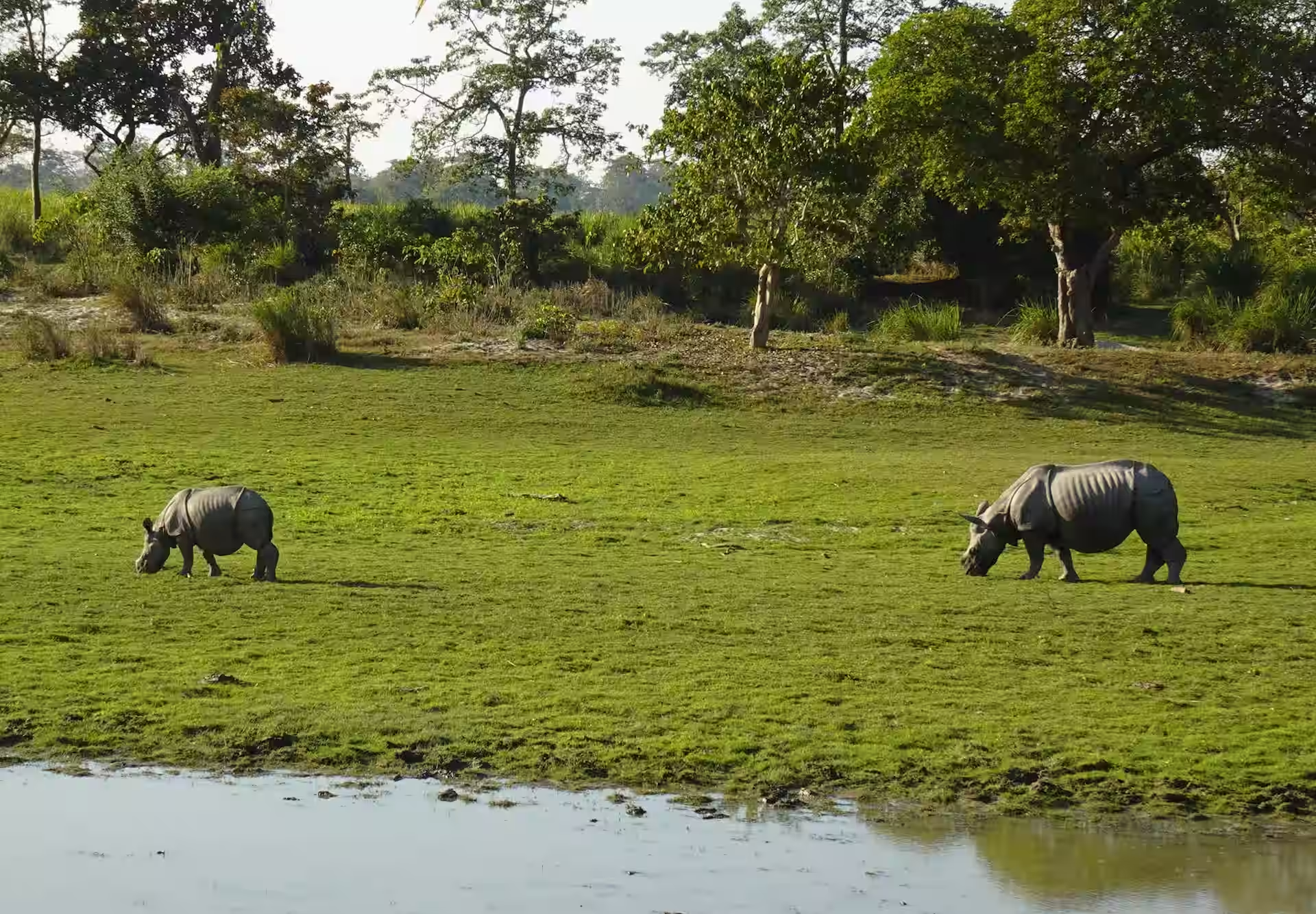
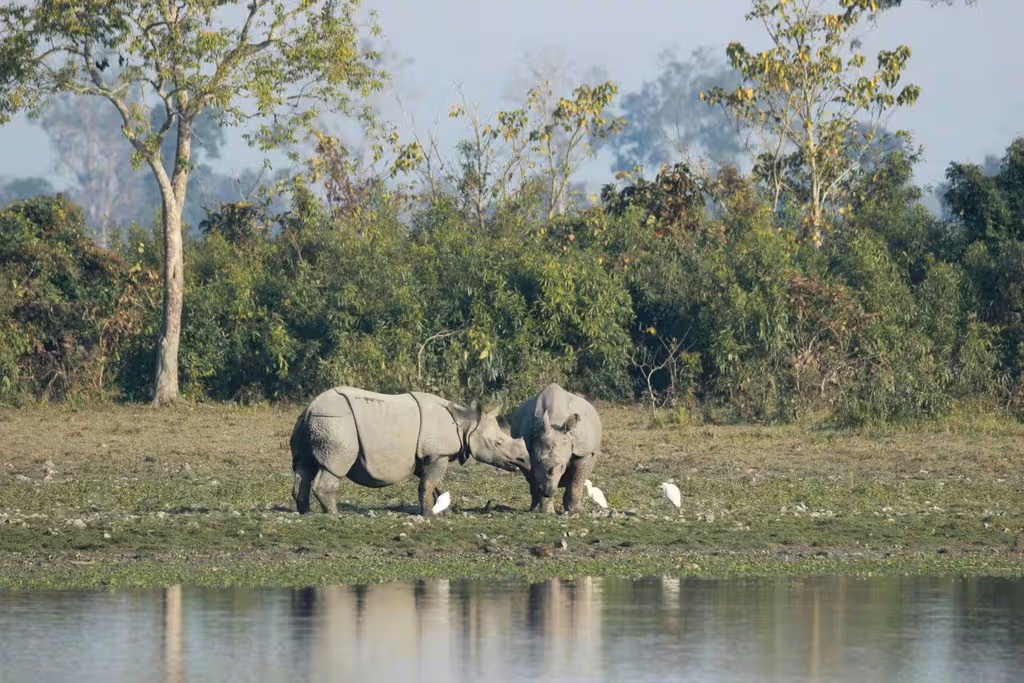
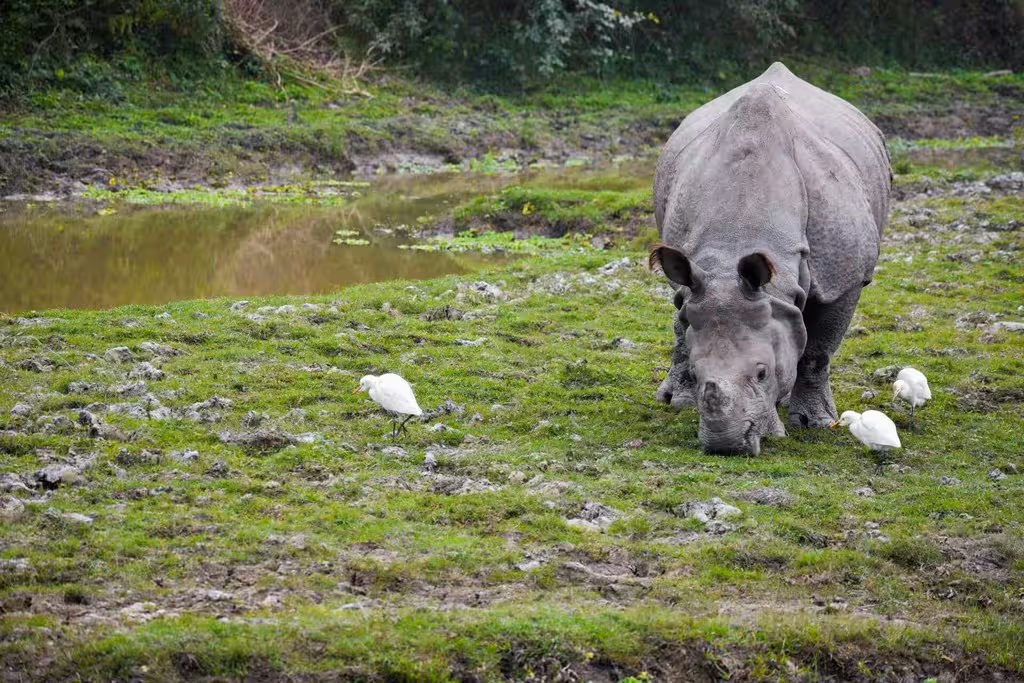
Indian One-Horned Rhinoceros
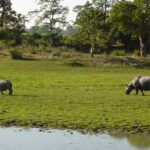
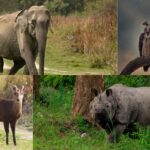
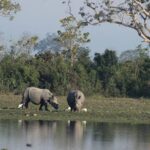
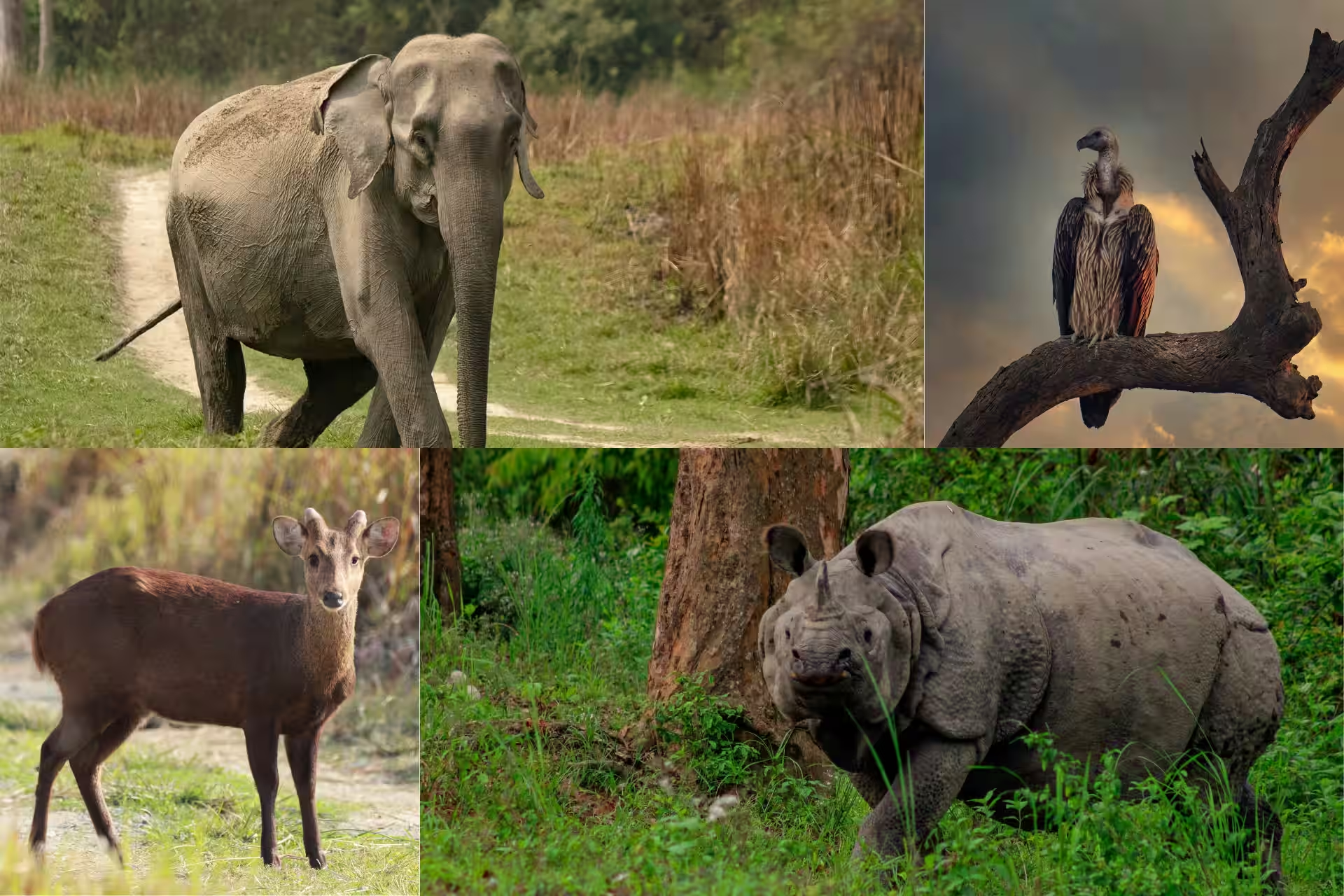
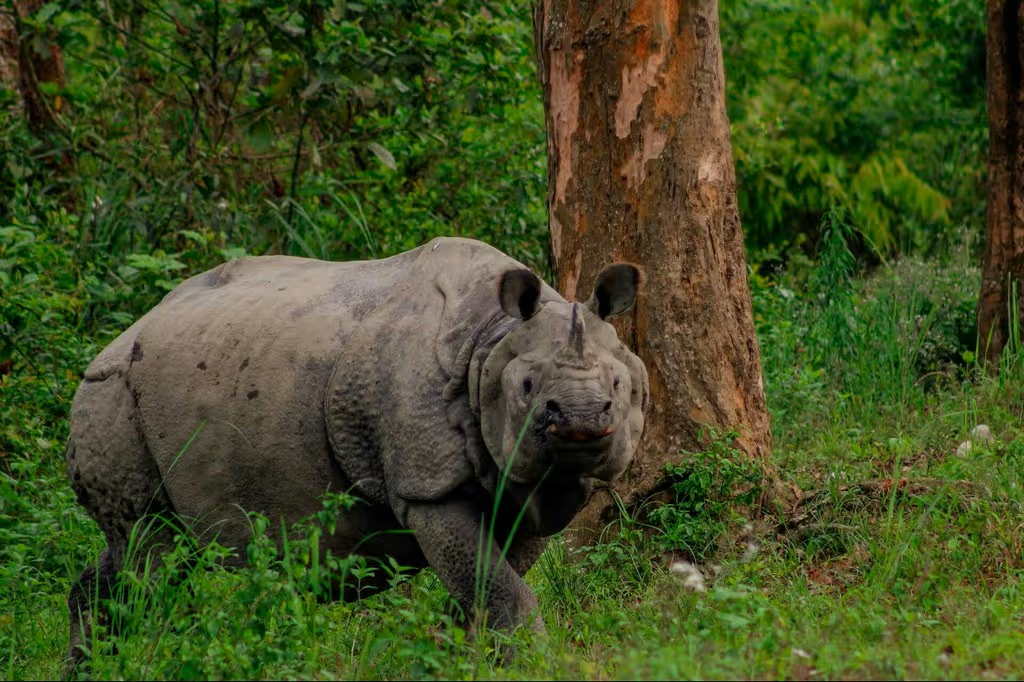
Kaziranga is the most important habitat for the Indian one-horned rhinoceros, a species once close to extinction. Strict protection and habitat management helped the population recover when numbers elsewhere collapsed.
The park’s grasslands and wetlands provide ideal feeding and breeding conditions. Seeing rhinos here is not just common; it reflects one of India’s biggest conservation successes.
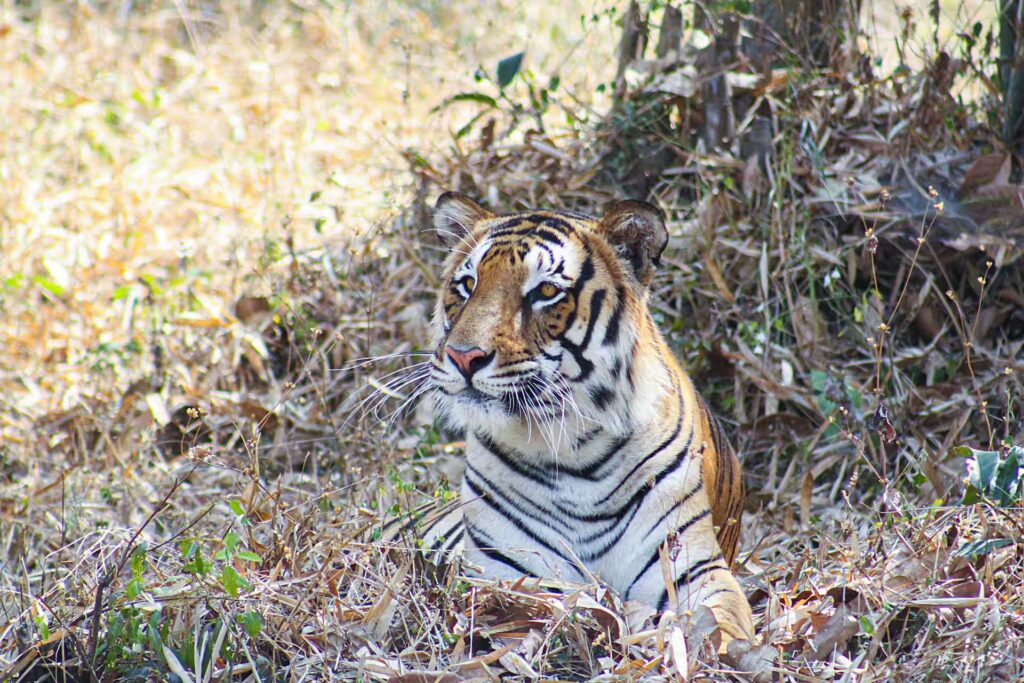
Bengal Tiger
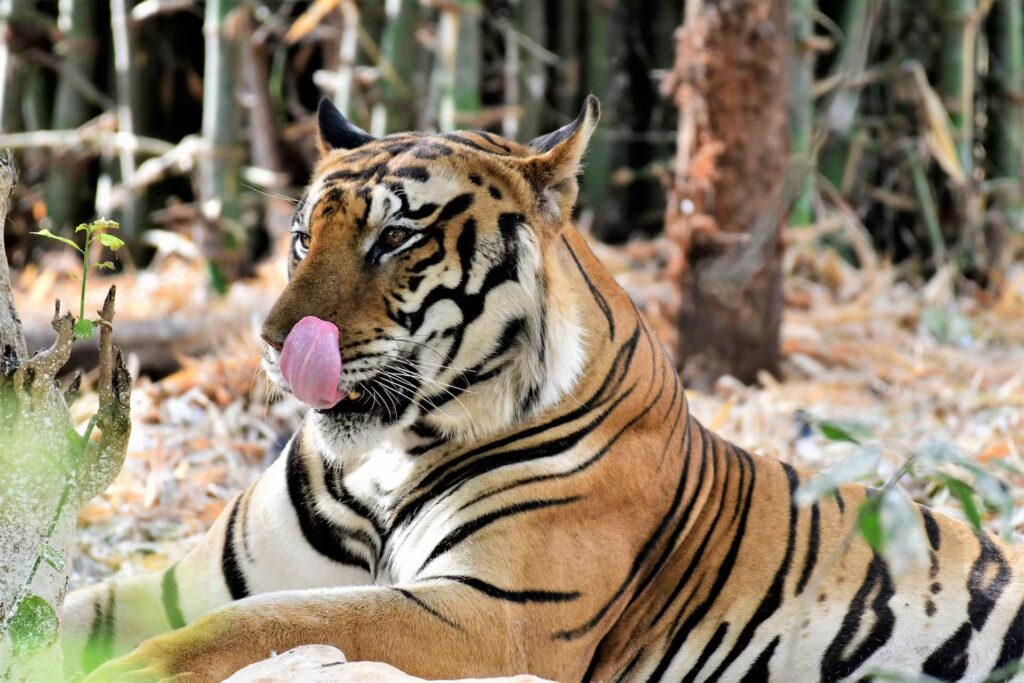
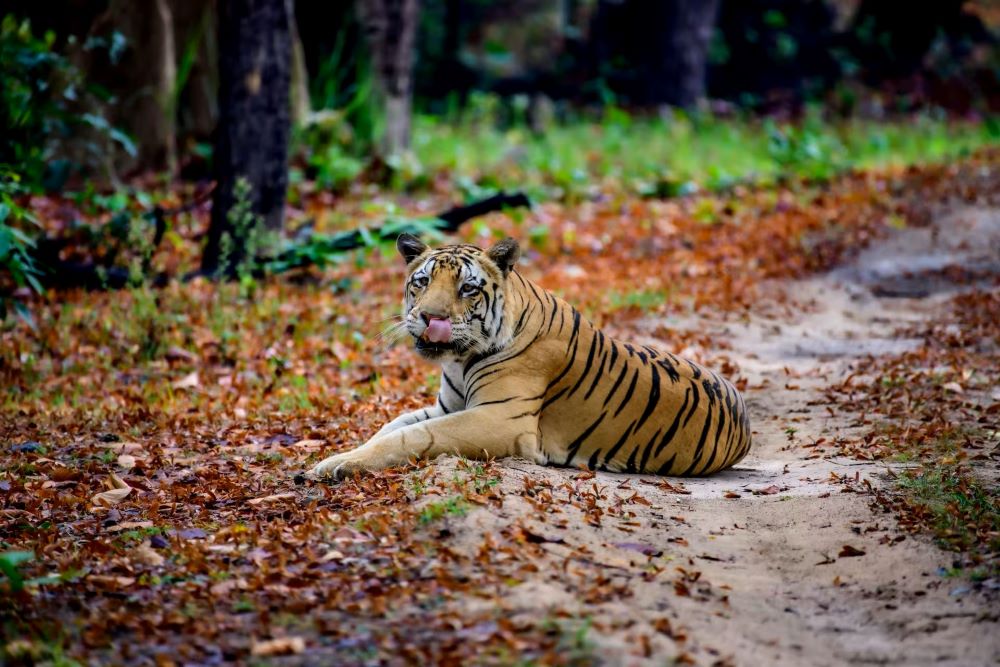
Kaziranga is a designated Tiger Reserve and supports a strong tiger population. Tigers here live in open grasslands and floodplains rather than dense forest, which makes their behavior different from many central Indian parks.
Although sightings are less predictable than in some reserves, the presence of tigers confirms the park’s healthy prey base and balanced ecosystem.
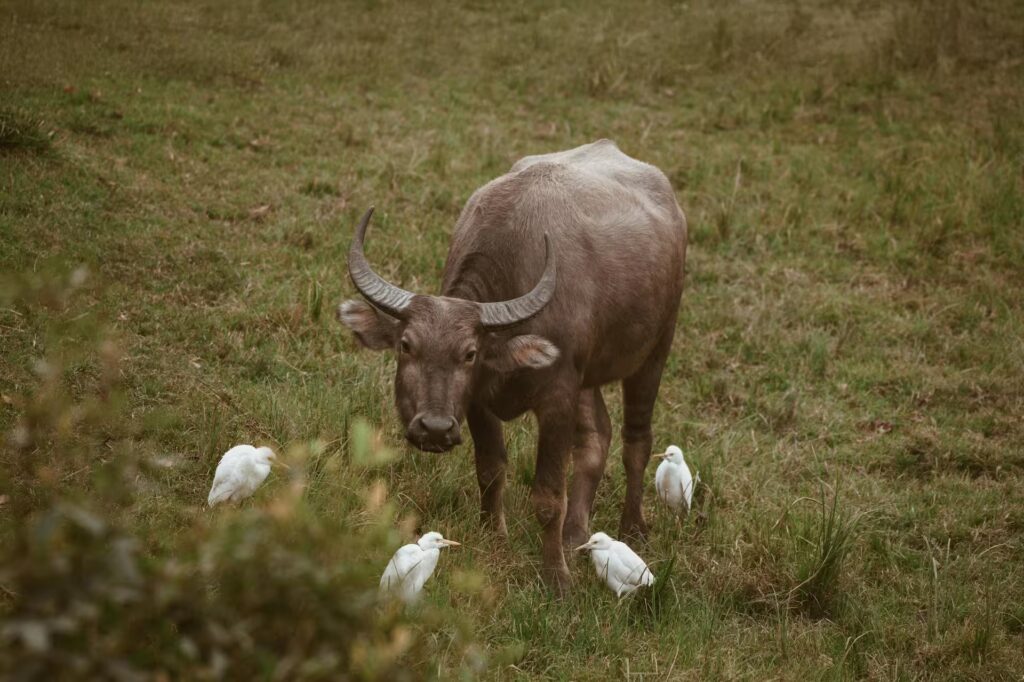
Asiatic Wild Water Buffalo
The wild water buffalo found in Kaziranga are genetically important. They are considered the purest surviving population of this species in India.
These massive animals prefer marshy grasslands and riverine areas. Their conservation is critical, as true wild buffalo populations have declined sharply outside protected areas.
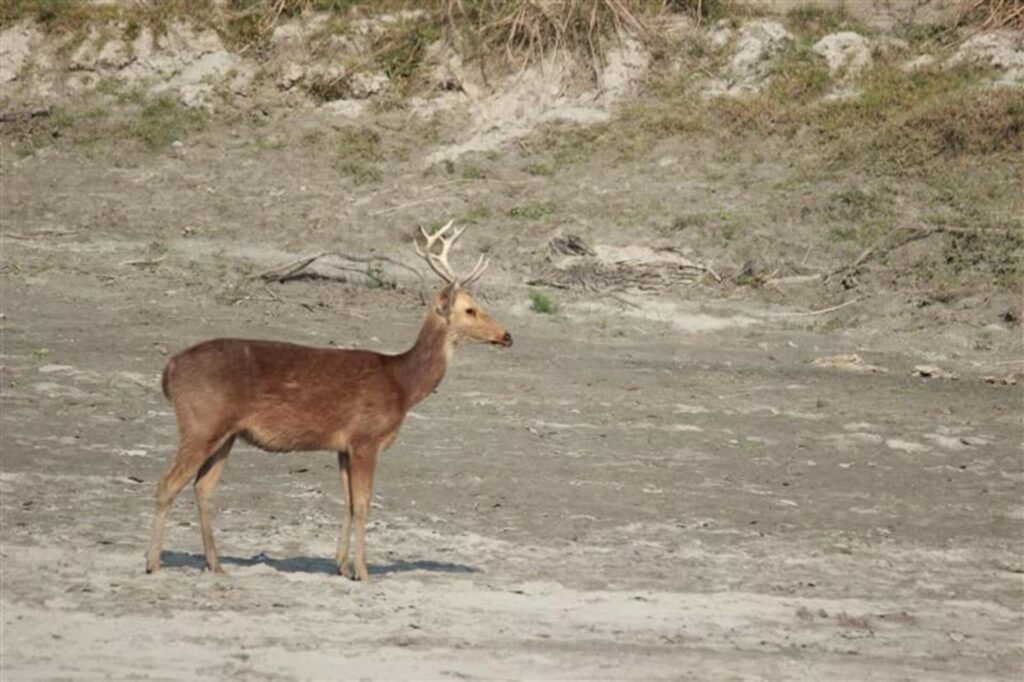
Swamp Deer (Eastern Barasingha)
Kaziranga protects one of the largest remaining populations of swamp deer, a species that depends on floodplain grasslands and wetlands.
Unlike the hard-ground barasingha of central India, this eastern subspecies thrives in marshy conditions. Habitat loss has reduced their range elsewhere, making Kaziranga vital for their survival.
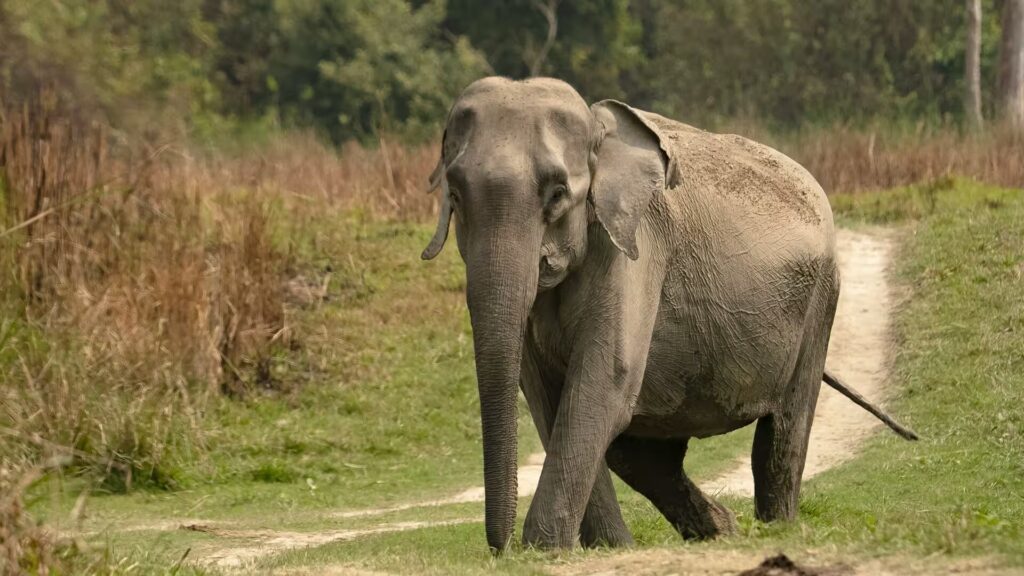
Asian Elephant
Asian elephants move seasonally through Kaziranga, using forest corridors connected to nearby hills. While not rare inside the park, elephants face serious threats across Asia due to habitat fragmentation.
Kaziranga plays an important role as a safe passage and feeding ground during different times of the year.
Ganges River Dolphin (Occasional)
The Ganges river dolphin, an endangered freshwater species, is sometimes recorded in the Brahmaputra River along Kaziranga’s boundary.
These sightings highlight the importance of clean, flowing river systems. Their presence adds aquatic conservation value to the park.
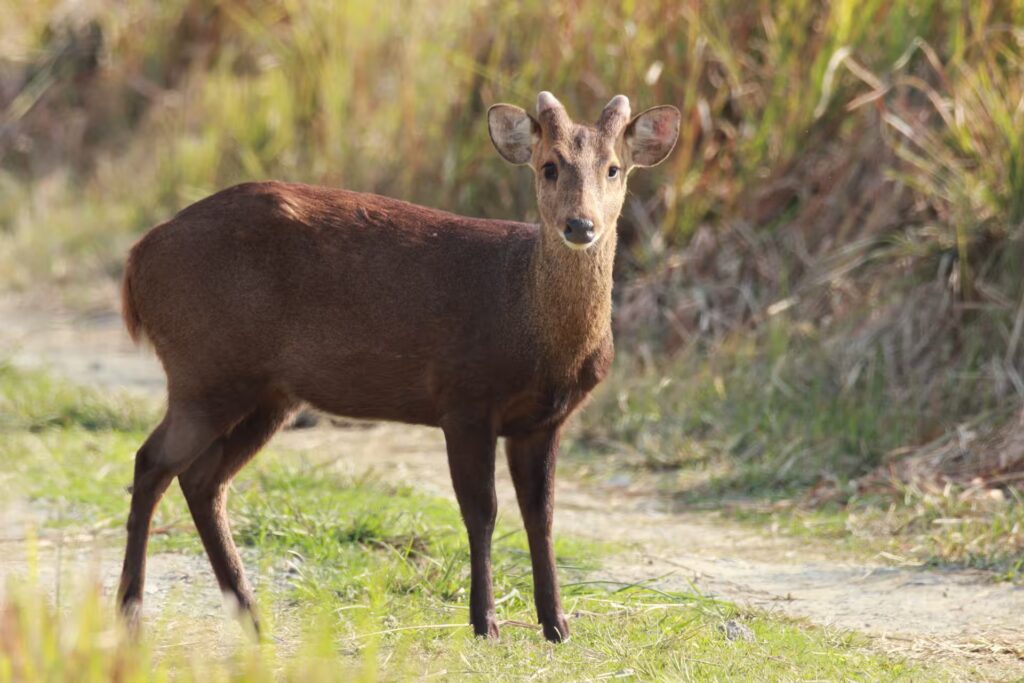
Hog Deer
Hog deer are smaller, grassland-dependent deer that have declined in many parts of India. Kaziranga remains a stronghold due to its tall grass habitats and low disturbance levels.
They are shy and often overlooked, but they form an important part of the food chain for predators.
Bengal Florican and Other Threatened Birds
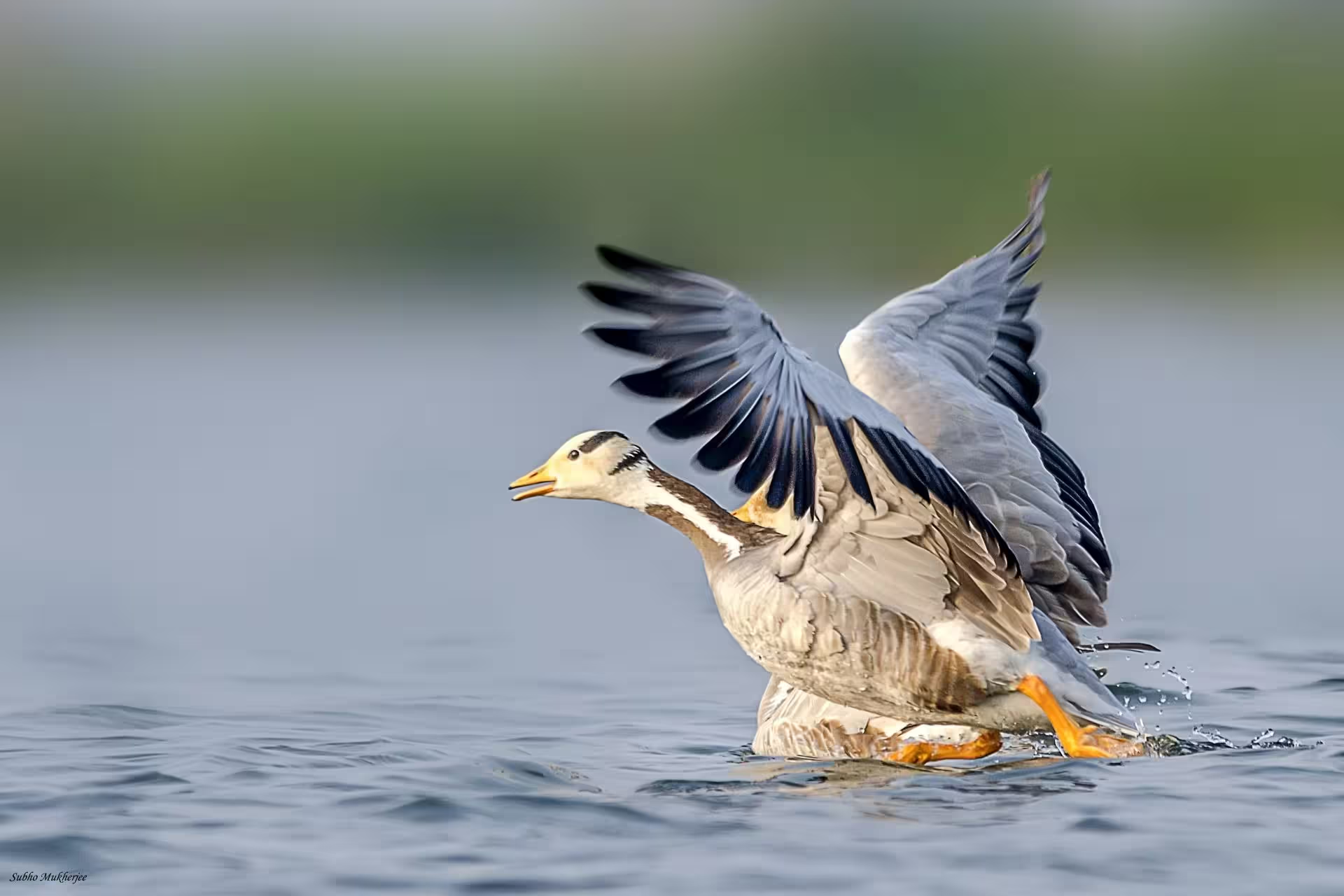
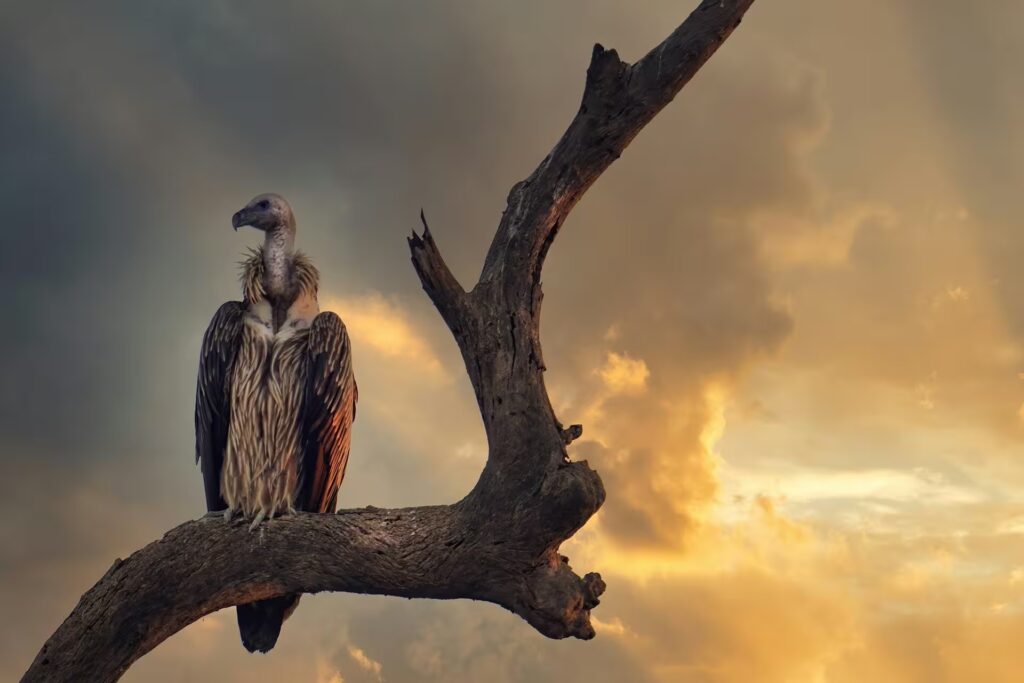
Kaziranga supports several threatened bird species linked to grasslands and wetlands. The Bengal florican, one of the world’s rarest bustards, has been recorded in and around the park.
Other vulnerable and near-threatened birds include large storks, vultures, and wetland specialists that rely on floodplain habitats.
Why Kaziranga Matters for Endangered Species
What makes Kaziranga special is not just the presence of rare animals, but the landscape itself. Annual floods, tall grasslands, wetlands, and river channels create conditions that many threatened species need but can no longer find elsewhere.
Protection here focuses on habitat first, allowing wildlife populations to sustain naturally.
Conservation Challenges Still Exist
Despite its success, Kaziranga faces ongoing challenges:
- Flood-related animal movement toward highways
- Human-wildlife conflict near park boundaries
- Pressure on river systems
Continued protection and responsible tourism remain essential to safeguard these species.
Final Perspective
Kaziranga National Park stands as one of Asia’s most important refuges for rare and endangered wildlife. From the one-horned rhinoceros to threatened birds and grassland species, the park protects animals that depend on disappearing habitats.
Visiting Kaziranga is not just about sightings. It is about witnessing a living conservation landscape that still works, and understanding why its protection matters far beyond Assam.
Experience Kaziranga beyond sightings - plan your safari with us.