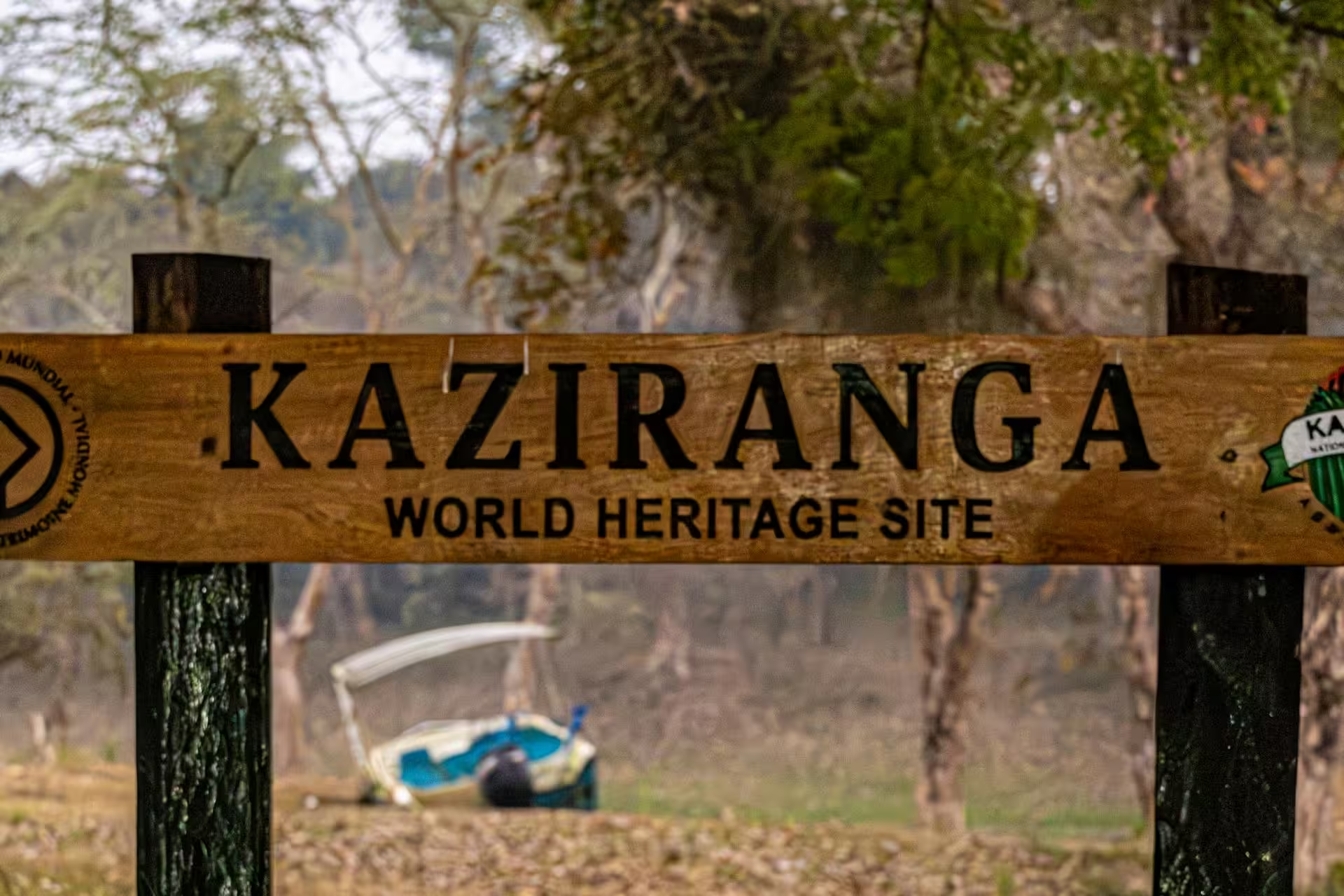
Kaziranga National Park in Assam is not just another wildlife destination. It holds global importance for conservation, which is why UNESCO declared it a World Heritage Site in 1985. This recognition is based on real ecological value, not tourism popularity.
Here’s what truly makes Kaziranga stand apart.
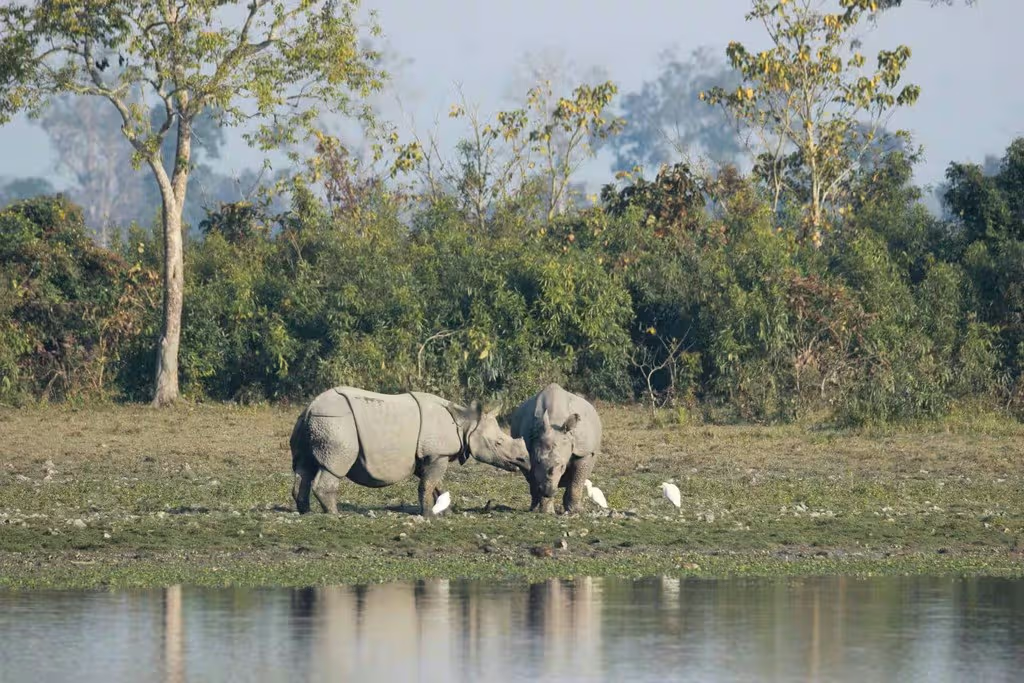
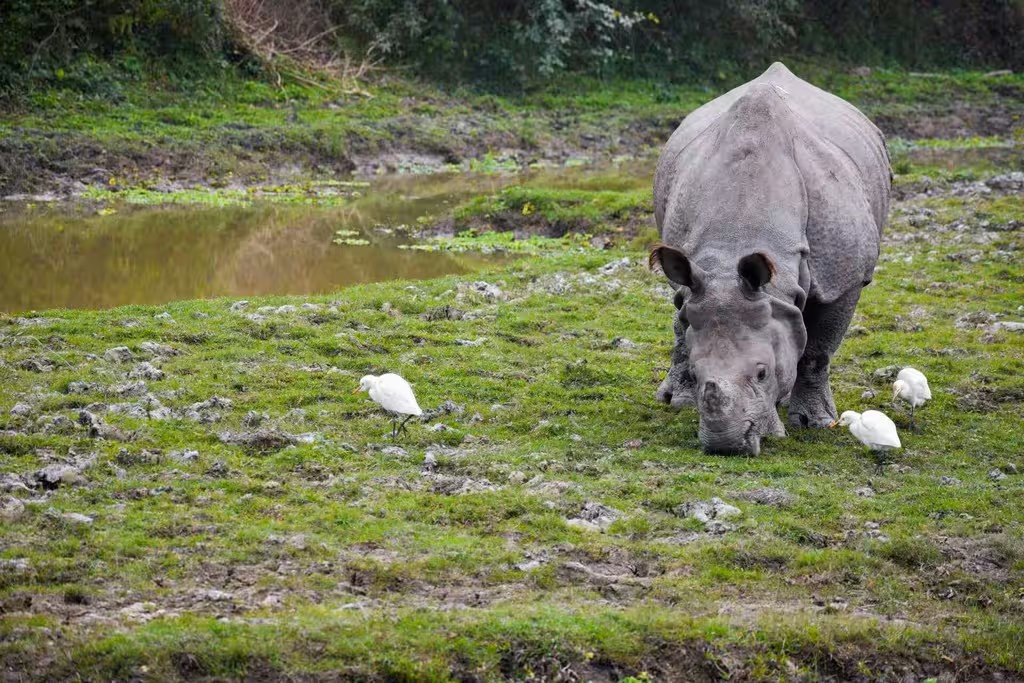
World’s Stronghold of the One-Horned Rhinoceros
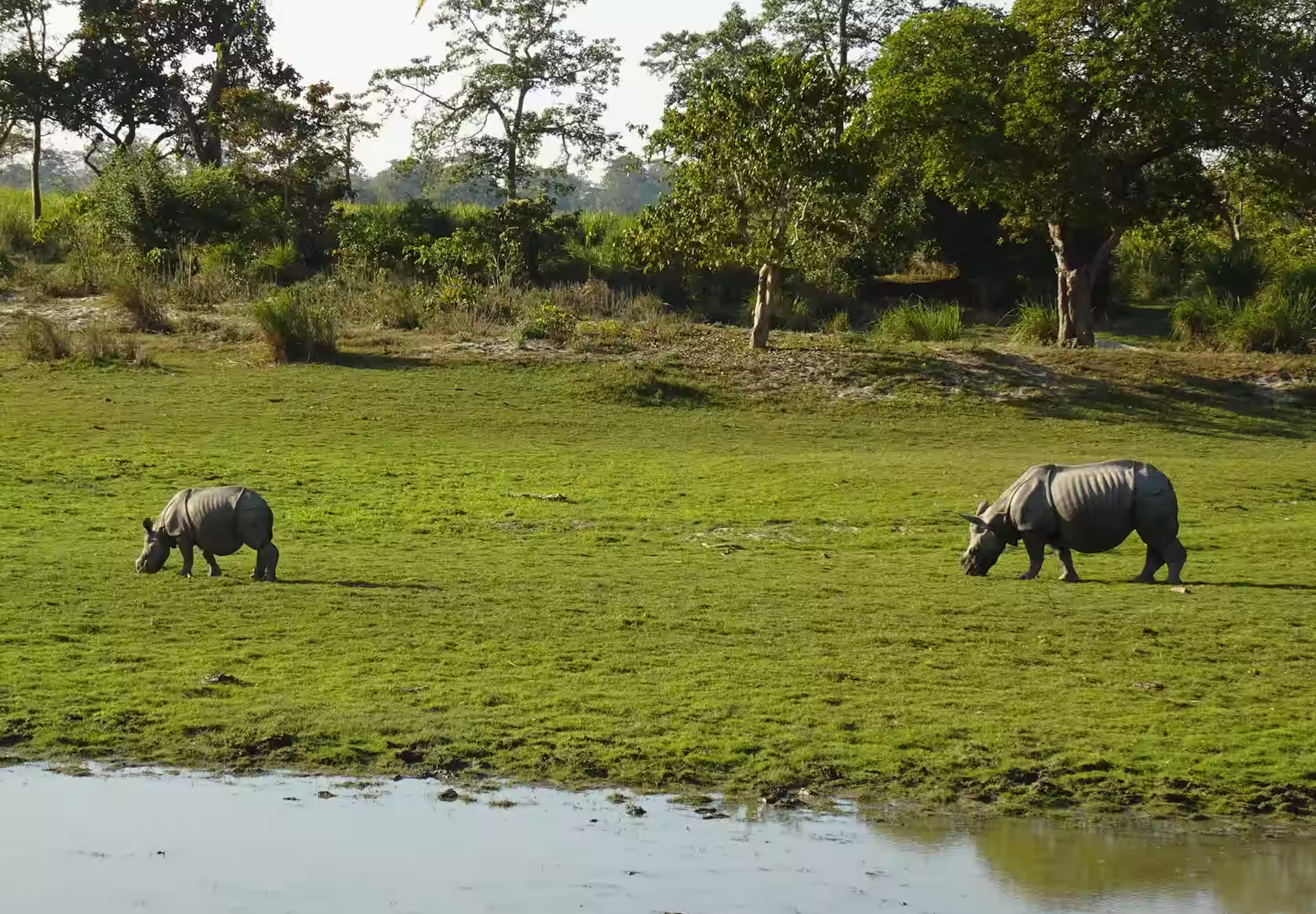
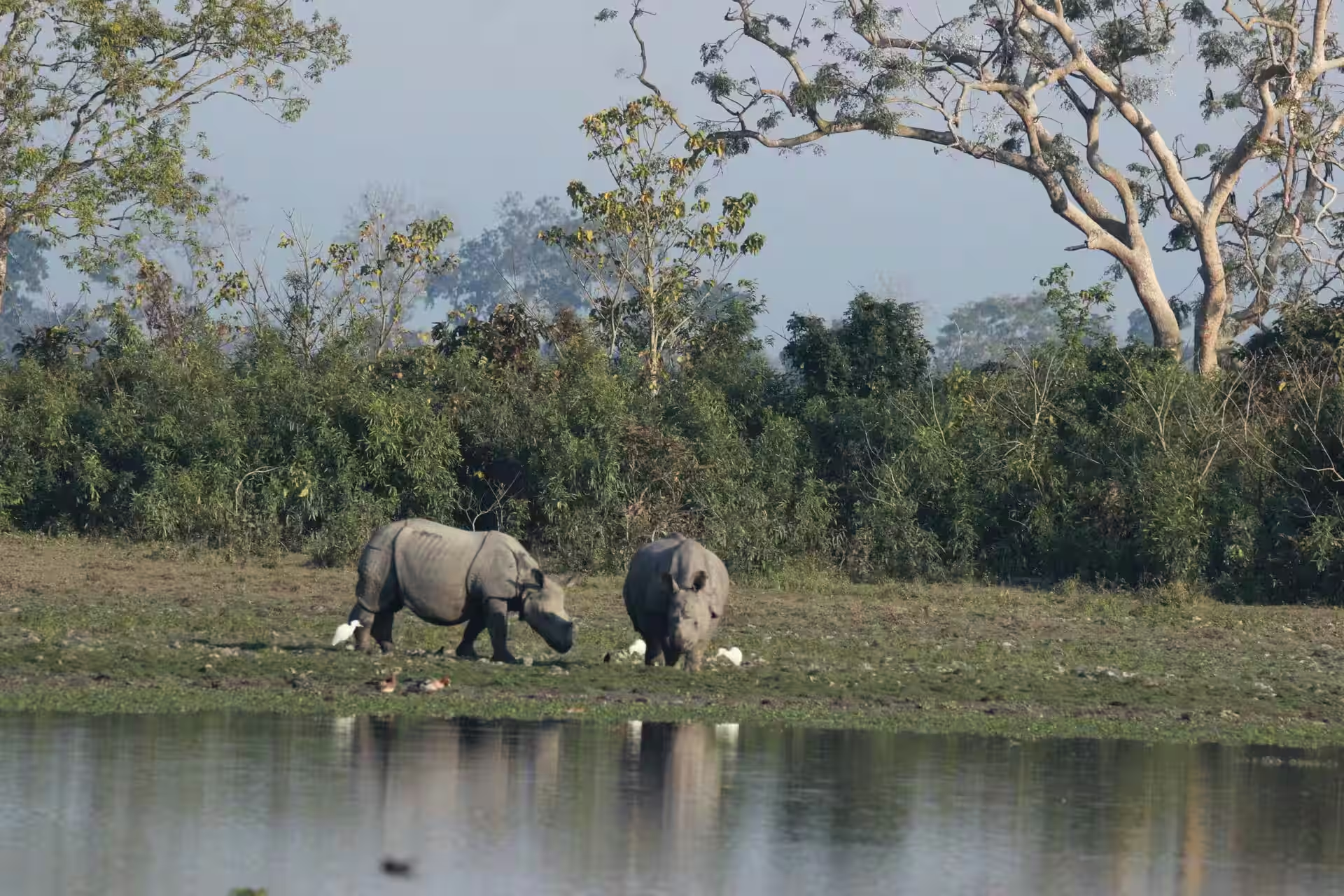
Kaziranga protects the largest population of the Indian one-horned rhinoceros anywhere in the world. A significant majority of the global population survives inside this single landscape.
This was a key reason for UNESCO recognition. At a time when rhino numbers were collapsing across Asia, Kaziranga showed that strict protection and long-term planning could reverse the trend.
Today, the park remains the most secure habitat for this species.
A Rare Floodplain Ecosystem of the Brahmaputra
Kaziranga lies along the floodplains of the Brahmaputra River. This creates a dynamic ecosystem shaped by annual floods, grassland renewal, and shifting river channels.
Flooding may look destructive, but here it plays a vital role:
- Refreshes grasslands
- Maintains wetlands and oxbow lakes
- Supports high prey density
This natural cycle sustains large herbivores and predators, making Kaziranga one of the most productive wildlife landscapes in Asia.
UNESCO recognizes sites that preserve such natural ecological processes, and Kaziranga is a textbook example.
High Density of Large Mammals
Kaziranga supports an unusual concentration of large animals within a relatively compact area. Apart from rhinos, the park is known for:
- Wild water buffalo
- Asian elephants
- Swamp deer (barasingha)
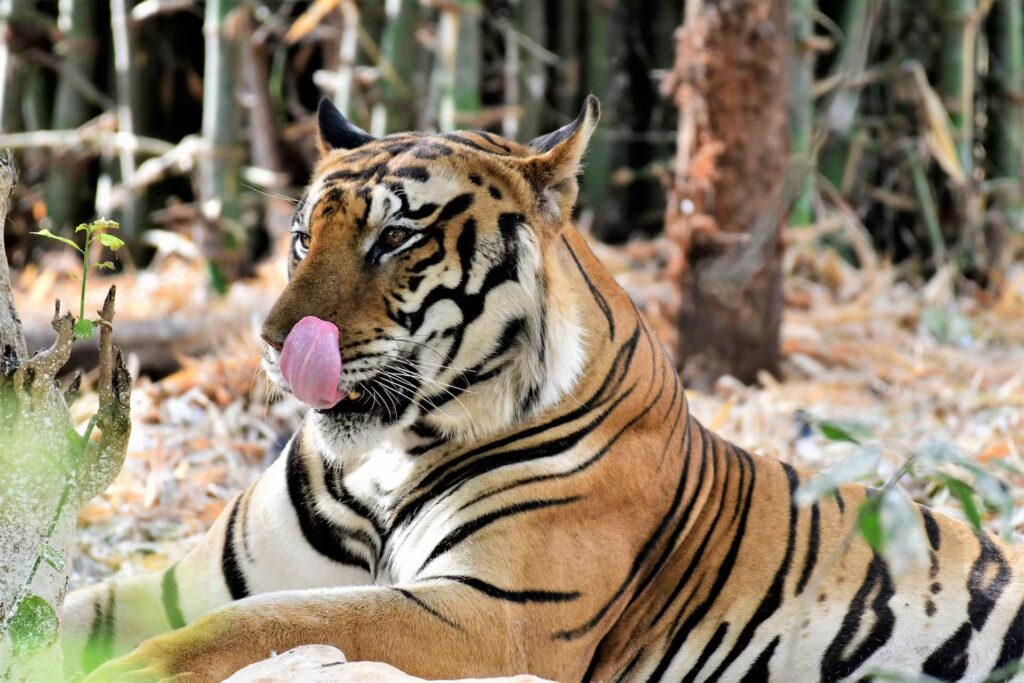
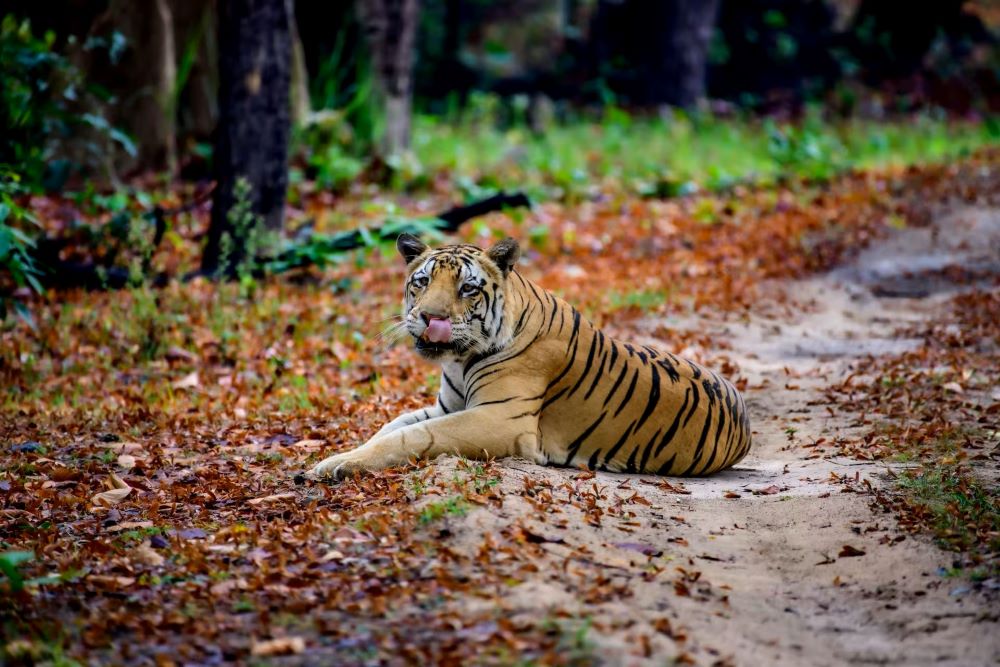
- Tigers
The park is also a Tiger Reserve, with one of the highest tiger densities recorded in India. What makes this special is that tigers here share space with massive herbivore populations, supported by open grasslands and wetlands.
This balance of predator and prey impressed international conservation bodies.
Grassland Habitat Found in Very Few Places
Tall elephant grass dominates Kaziranga’s landscape. This type of grassland has declined sharply across the Indian subcontinent due to farming and development.
Kaziranga protects one of the last extensive tracts of natural tall grassland, crucial for:
- Rhinos
- Hog deer
- Grassland birds
UNESCO values sites that conserve rare or threatened habitats, not just individual species. Kaziranga qualifies strongly on this count.
Exceptional Bird Diversity
Kaziranga is also an Important Bird Area. Wetlands, river channels, and grasslands attract:
- Resident grassland birds
- Migratory waterfowl during winter
- Large nesting colonies
Species like pelicans, storks, eagles, and ducks depend on these floodplain wetlands. This adds another layer to Kaziranga’s ecological importance beyond mammals.
Long History of Conservation Protection
Kaziranga’s protection began early. It was declared a reserved forest in the early 20th century, long before modern conservation laws existed in India.
Over decades, strong anti-poaching measures, controlled tourism, and scientific monitoring helped stabilize wildlife populations. UNESCO places high value on sites with demonstrated conservation success, not just potential.
Kaziranga proved that strict protection works when consistently enforced.
Natural Landscape, Not a Managed Zoo
Unlike many parks shaped heavily by tourism infrastructure, Kaziranga remains largely wild. Large areas are inaccessible during floods. Animal movement is not restricted by fencing, and wildlife behavior remains natural.
This authenticity matters. UNESCO World Heritage Sites are selected for preserving natural heritage in its original form, not staged experiences.
Why UNESCO Status Still Matters Today
UNESCO recognition brings global attention, but more importantly, it strengthens long-term protection. It:
- Encourages international conservation support
- Adds pressure against destructive development
- Reinforces the park’s global responsibility
For visitors, it’s a reminder that Kaziranga is not just a safari destination. It is a globally significant conservation landscape.
What This Means for Visitors
When you visit Kaziranga, you’re entering one of the most important wildlife habitats on the planet. Sightings are rewarding, but understanding the landscape adds depth to the experience.
Even without dramatic moments, the grasslands, wetlands, and animal movement reflect a living ecosystem shaped by nature, not design.
Final Perspective
Kaziranga National Park earned its UNESCO World Heritage status because it protects rare species, preserves a unique floodplain ecosystem, and demonstrates successful long-term conservation. Its value goes far beyond tourism.
Few places in the world combine biodiversity, natural processes, and protection history the way Kaziranga does. That is what makes it truly deserving of global recognition.
Experience a UNESCO World Heritage landscape the right way - plan your safari with us.