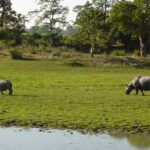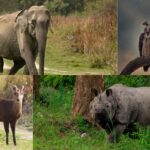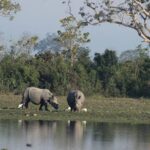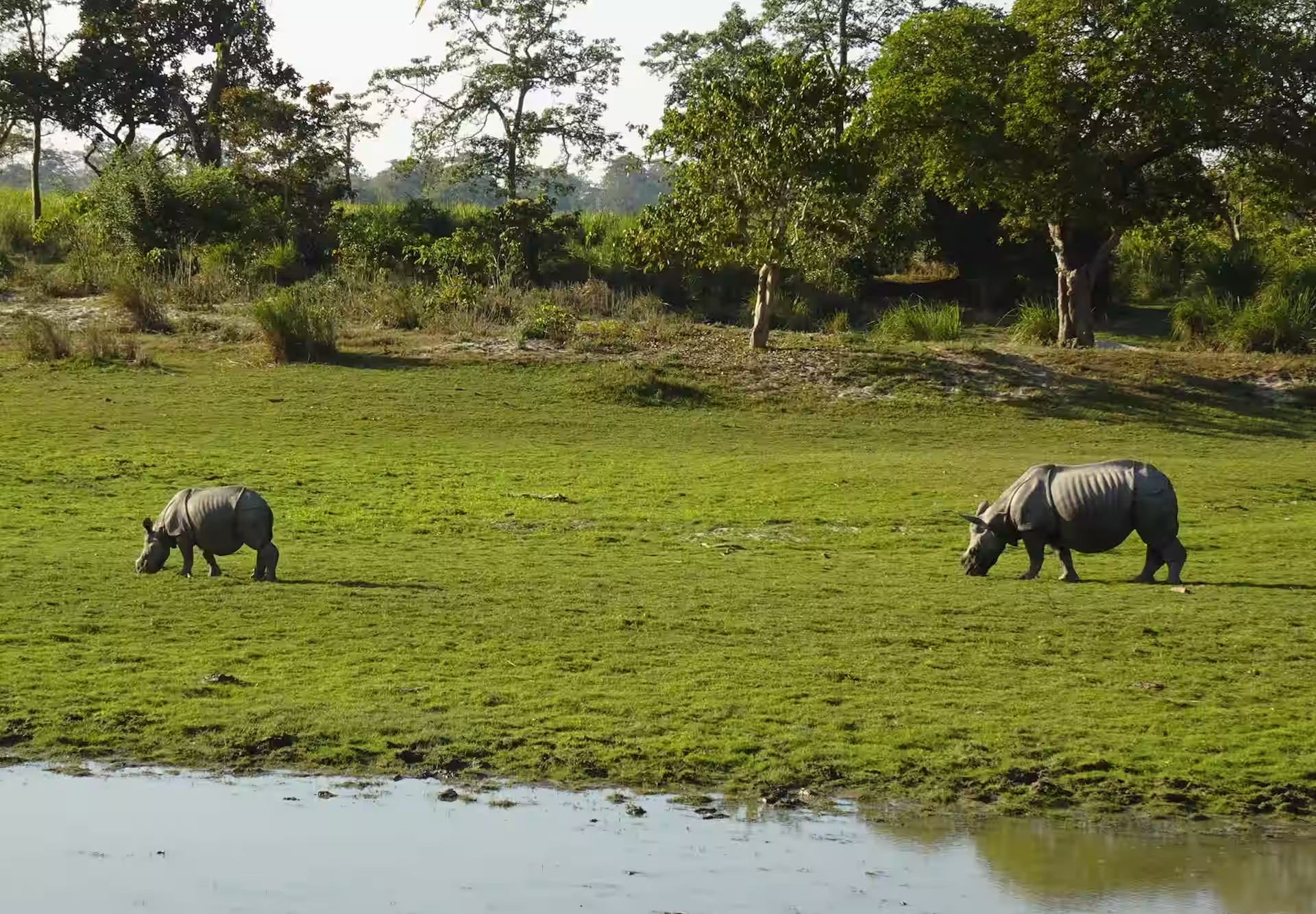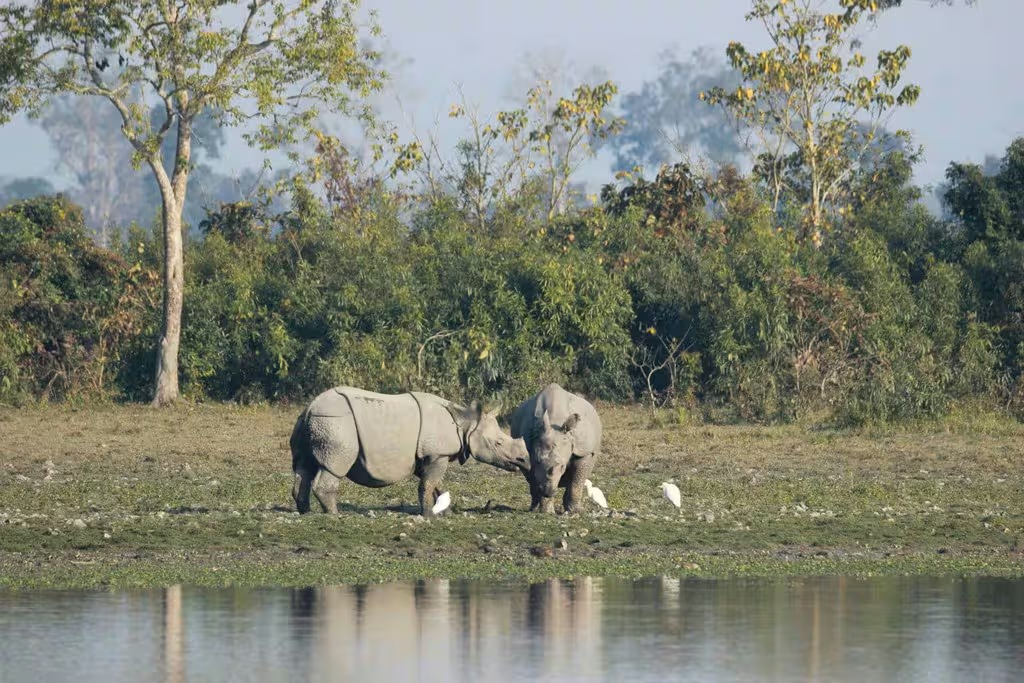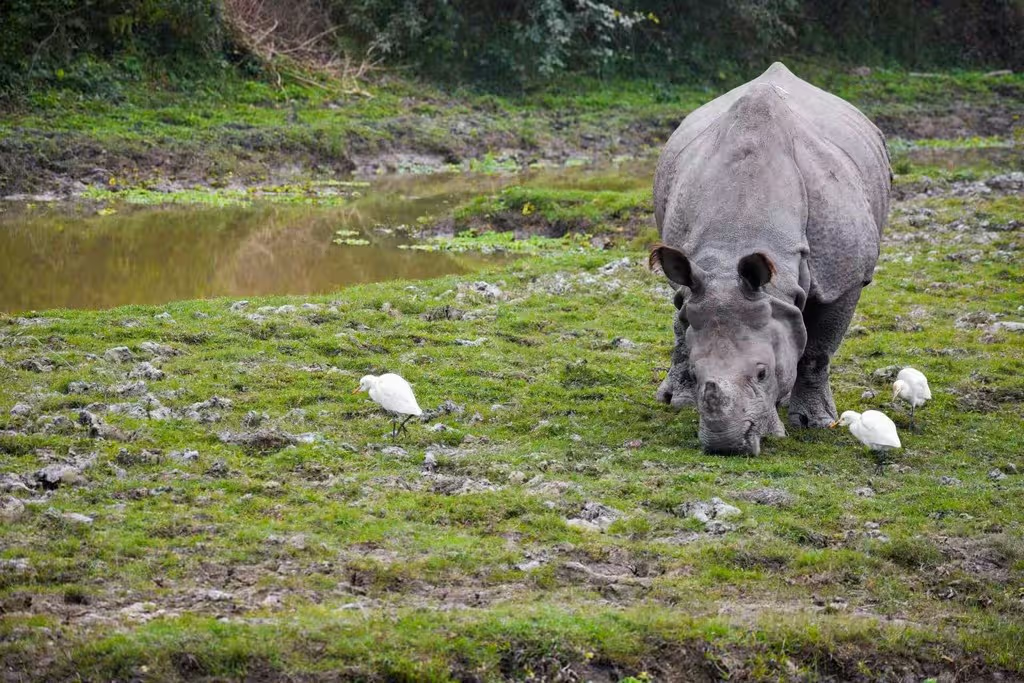
Most people know Kaziranga for its one horned rhinos. They are impressive and often seen grazing close to safari tracks. But Kaziranga is much more than rhinos. The park protects large grasslands, wetlands, forests, and river islands. This mix supports a wide range of wildlife.
If you keep your eyes open and stay patient, every safari brings something new. Here is what you can realistically expect to see beyond rhinos.
Why Kaziranga Is More Than Just Rhinos
Kaziranga lies along the floodplains of the Brahmaputra River. Seasonal floods refresh the grasslands and create rich feeding areas for herbivores. Predators follow the herds. Wetlands attract birds and reptiles. Forest patches provide cover for shy animals.
This natural cycle keeps the ecosystem healthy. It also means sightings change with season, water levels, and grass height. Some days you may see large herds. Other days you may enjoy birds, deer, and quiet forest moments.
Wild Elephants in Kaziranga Grasslands
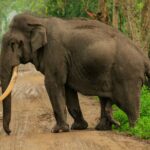
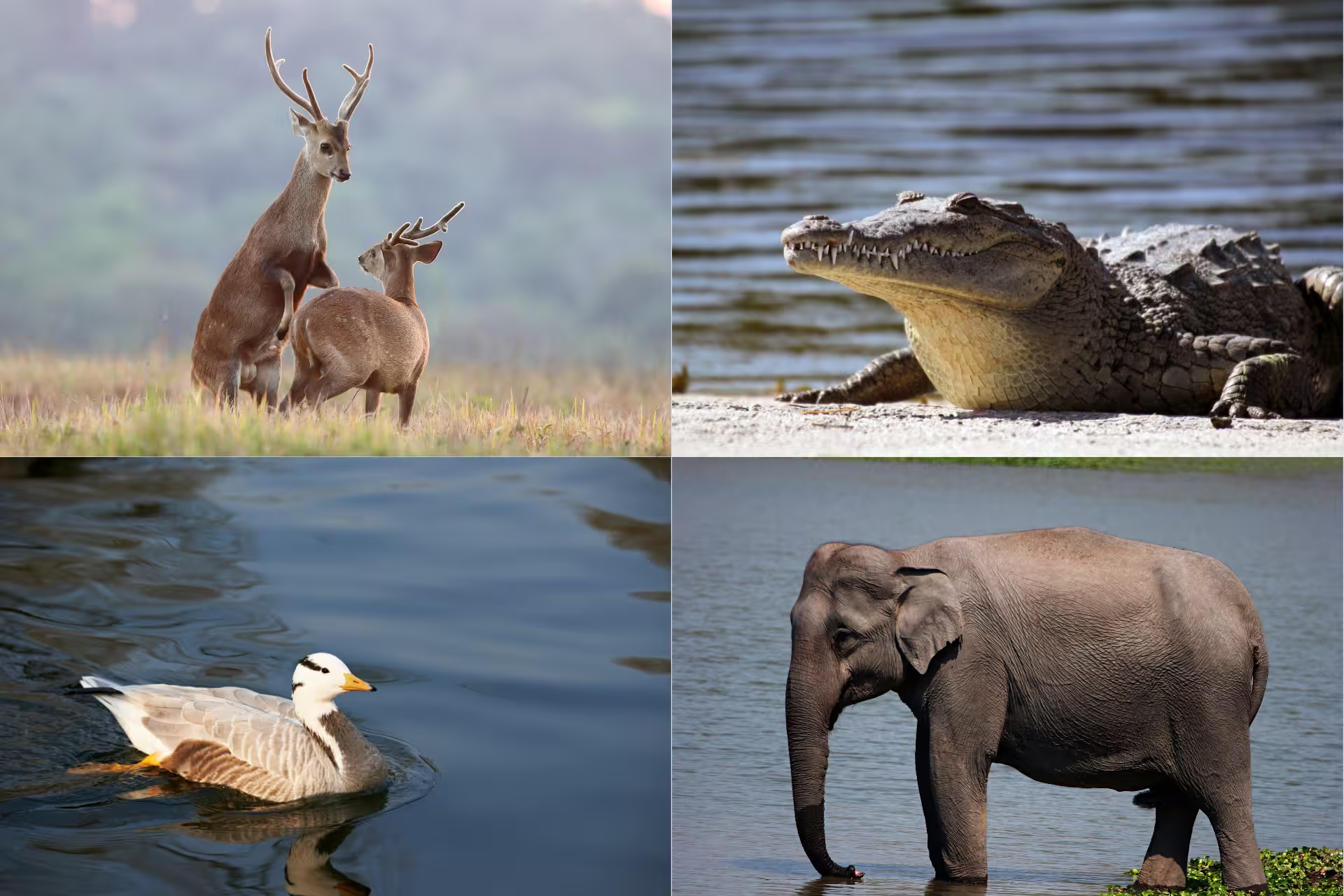
Elephants are common in Kaziranga. You often see family groups moving through tall grass or crossing shallow water channels. Calves stay protected in the center of the herd while adults keep watch.
Early morning safaris offer the best chance to see them feeding calmly. During monsoon months, elephants move to higher ground and forest edges. Guides maintain safe distance, especially when bulls are present.
Watching elephants interact is one of the most peaceful moments on safari.
Royal Bengal Tigers and Their Habitat
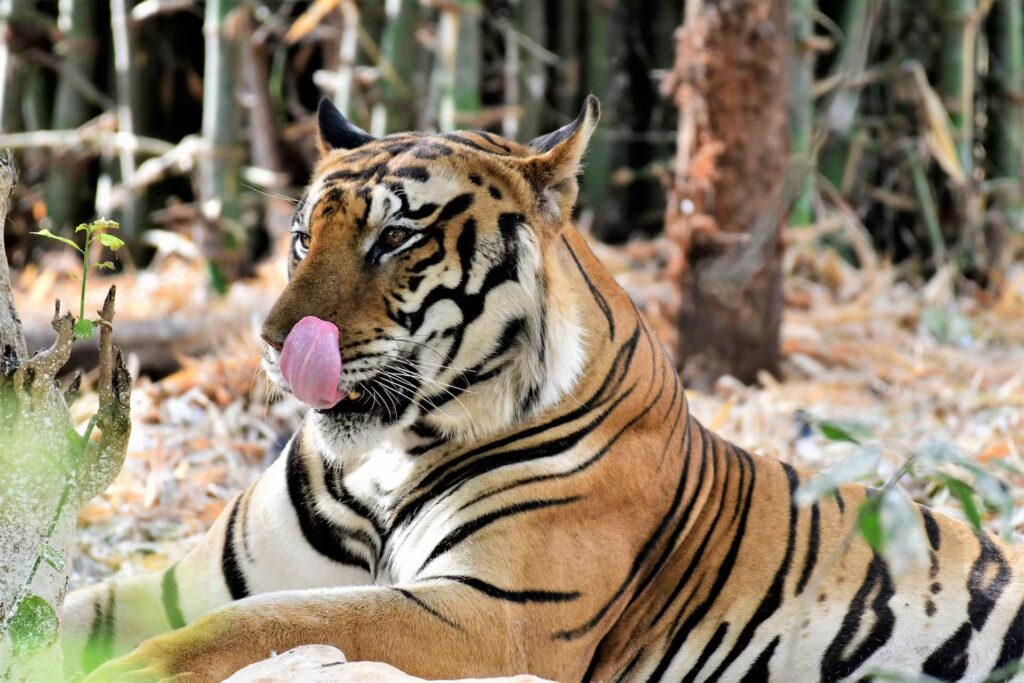
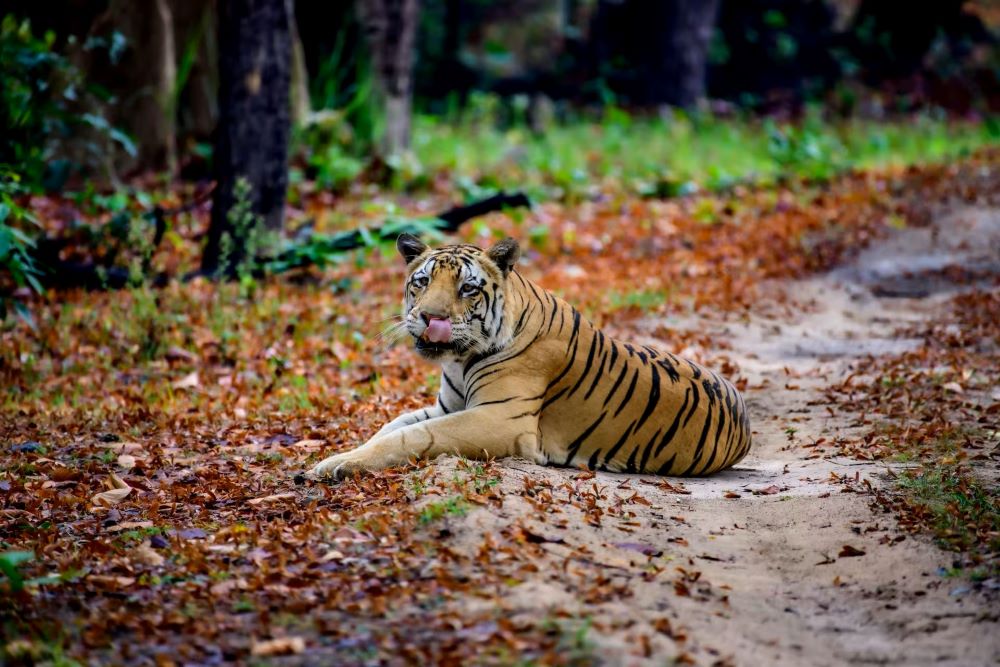
Kaziranga holds a healthy tiger population, although sightings are not guaranteed. Dense grass and wetlands give them excellent cover. Tigers here rely on swamp deer, wild buffalo, and hog deer for prey.
You may notice pugmarks on sandbanks or hear alarm calls from deer. These signs often indicate tiger movement in the area. Winter and early summer offer slightly better visibility as grass remains shorter.
Even without a direct sighting, tracking signs adds excitement to the drive.
Wild Water Buffalo and Swamp Deer Herds
The wild water buffalo of Kaziranga are massive and powerful. Large herds gather near wetlands and open plains. Their curved horns and thick bodies make them easy to recognize.
Swamp deer, also known as barasingha, move in groups and prefer marshy grasslands. During early morning light, you often see them grazing quietly with mist rising from the fields.
Both species play a major role in maintaining grassland balance.
Leopards, Hog Deer, and Smaller Mammals
Leopards remain elusive in Kaziranga. They prefer forest edges and higher terrain. Sightings happen occasionally, mostly during early hours.
Hog deer are more common and often seen darting through tall grass. You may also spot mongoose, otters near water channels, and wild boar crossing tracks.
These smaller sightings keep the safari lively even between big animal moments.
Birdlife in Kaziranga for Nature Lovers
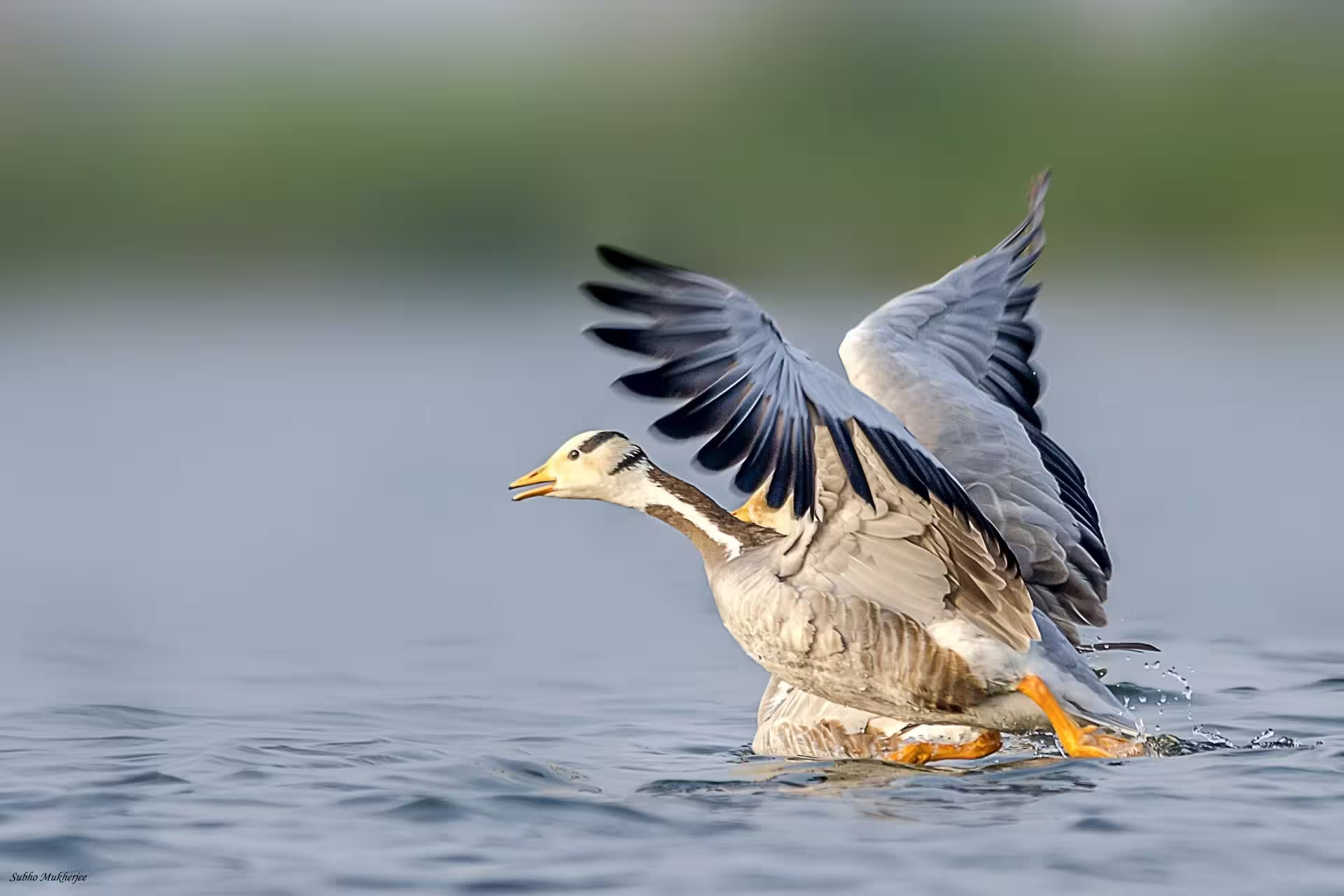
Kaziranga is a strong birding destination, especially during winter when migratory birds arrive. Wetlands attract ducks, geese, pelicans, and storks. Forest areas host hornbills, kingfishers, and woodpeckers.
Common birds you may see:
- Bar headed goose
- Spot billed pelican
- Greater adjutant stork
- Crested serpent eagle
- White throated kingfisher
Carry binoculars if you enjoy bird watching.
Reptiles and River Life Along the Brahmaputra
Marsh crocodiles rest along riverbanks and water channels. Softshell turtles bask on sandbanks. If you are lucky, you may spot the endangered river dolphin surfacing briefly in the Brahmaputra.
Always follow park rules and maintain distance. Reptiles should never be disturbed.
Reptiles and River Life Along the Brahmaputra
Marsh crocodiles rest along riverbanks and water channels. Softshell turtles bask on sandbanks. If you are lucky, you may spot the endangered river dolphin surfacing briefly in the Brahmaputra.
Always follow park rules and maintain distance. Reptiles should never be disturbed.
Best Safari Zones to See Diverse Wildlife
Each zone offers slightly different terrain and sightings.
Kohora Range : Good mix of grasslands and forest. Reliable for rhinos, deer, and elephants.
Bagori Range : Open plains with frequent buffalo and bird activity.
Agoratoli Range : Wetland rich area. Excellent for birds and scenic drives.
Burapahar Range : Hilly forest zone. Better chance for smaller mammals and bird species.
Your guide usually selects the zone based on permit availability and recent sightings.
Best Time to See Maximum Wildlife in Kaziranga
October to November offers fresh greenery but tall grass can reduce visibility.
December to February brings pleasant weather and clear sightings.
March to April sees drying water sources and higher animal movement near lakes.
May gets hot but increases chances of predator activity.
June to September remains closed due to monsoon flooding.
Tips for Better Wildlife Sightings
- Choose early morning safaris whenever possible.
- Wear neutral colors to avoid disturbance.
- Keep noise low and phones silent.
- Listen to your guide’s tracking insights.
- Carry a zoom lens or binoculars.
- Stay patient. Wildlife follows its own rhythm.
Plan Your Kaziranga Safari
If you want to explore Kaziranga beyond rhinos, a well planned safari makes a big difference. Choose the right season, select the suitable zone, and travel with experienced naturalists.
You can check available safari options and permits directly on our website.