
Home /
Wildlife Photography in Kaziranga
Wildlife Photography in Kaziranga National Park
Kaziranga National Park is one of the best wildlife photography destinations in India. Its open grasslands, wide marshes, and riverine forests offer many chances to capture animals in natural settings. From close encounters with one horned rhinos to elephant herds moving across meadows, photographers find new frames on every safari. The park’s soft morning light and open vistas make every outing rewarding.
Why Kaziranga is Perfect for Wildlife Photography
Kaziranga’s landscape supports clear visibility and varied subjects. The grasslands, beels, and wetlands create a beautiful backdrop for wildlife behaviour, movement, and habitat shots. Some of the main photographic attractions include:
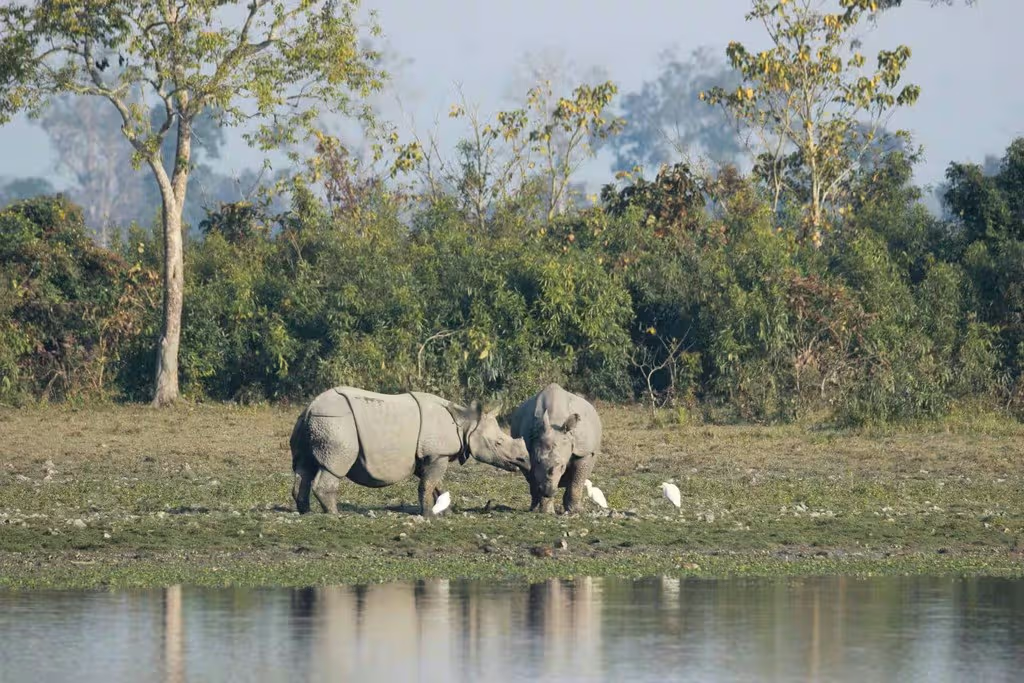
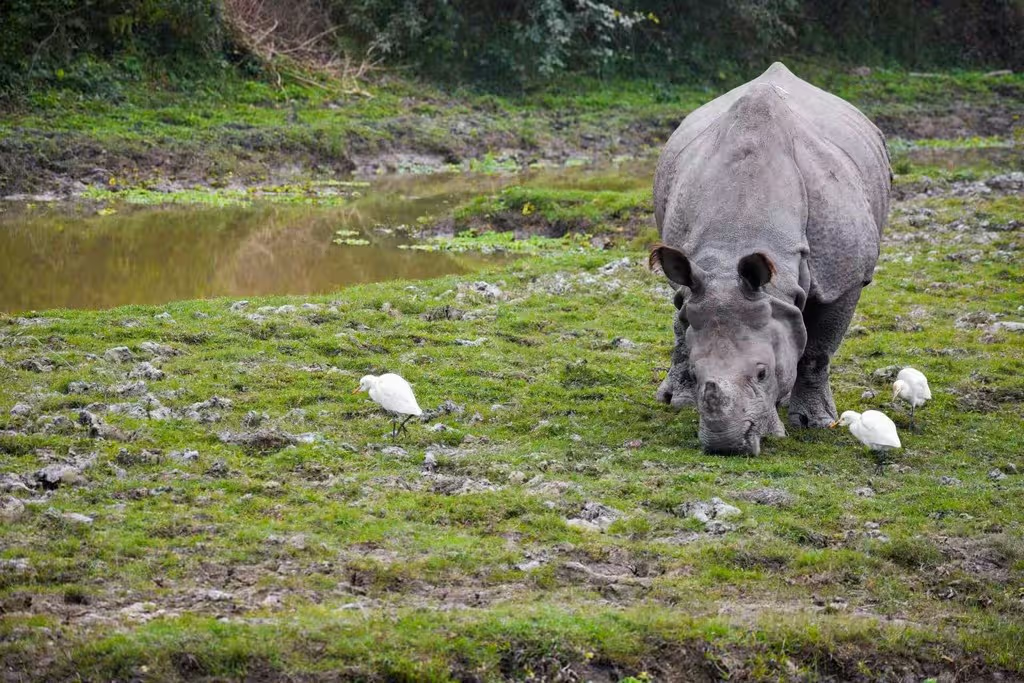
- One Horned Rhinoceros : Often seen at close range in open meadows.
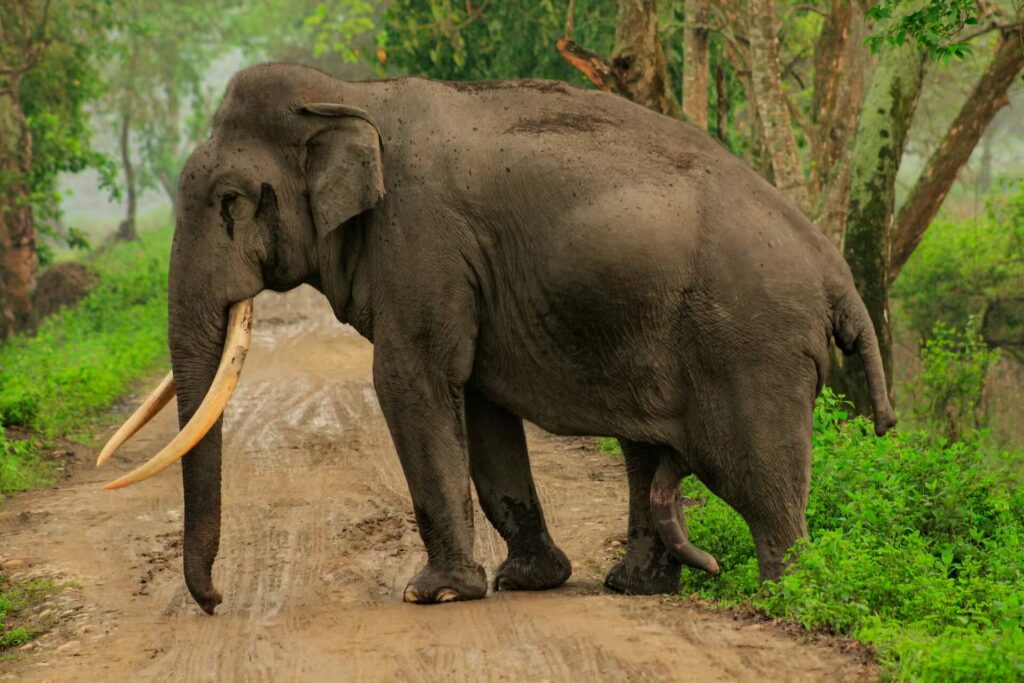
- Wild Elephants: Ideal for action shots in large herds.
- Wild Water Buffalo: Strong subjects for portrait and habitat photography.
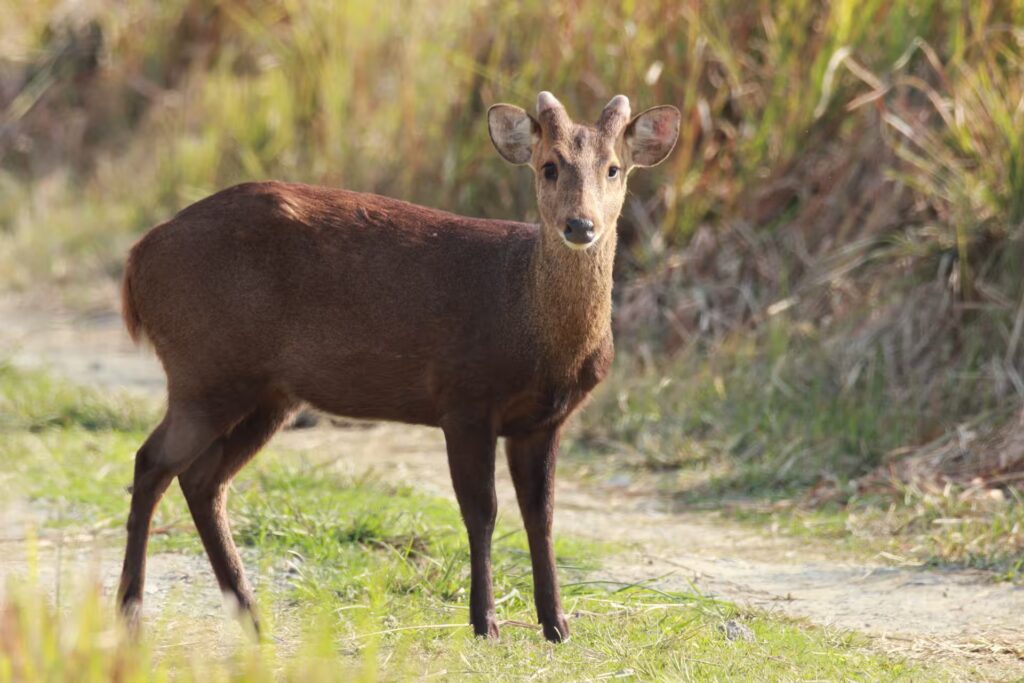
- Swamp Deer and Hog Deer: Good for composition in grasslands.
- More than 450 Bird Species: Including hornbills, storks, eagles, and waterbirds that stay active near wetlands.
Kaziranga’s mix of open land and wetlands gives photographers a wide variety of subjects in every safari.
Best Zones for Photography in Kaziranga
- Kohora (Central Range): Balanced views of grasslands, wetlands, and forest patches. Good for rhinos, elephants, and general wildlife shots.
- Bagori (Western Range): Excellent for close rhino photography. The open meadows and marshes offer clean, bright frames.
- Agoratoli (Eastern Range): Perfect for bird photography. The beels attract many migratory species.
- Burapahar (Ghorakati Range): Good for forest shots, elephant herds, macaques, and landscape photography in hilly terrain.
Covering more than one zone helps capture Kaziranga’s complete photographic story.
Tips for Wildlife Photography in Kaziranga
- Use a Telephoto Lens: A 200mm or longer lens helps capture animals from a comfortable distance.
- Shoot During Golden Hours: Early morning and late afternoon offer soft light and active wildlife.
- Stay Patient: Rhinos and elephants are easy to see, but capturing behaviour requires waiting.
- Respect Wildlife: Avoid loud noises, sudden movements, and getting too close to animals.
- Carry Essentials: Extra batteries, memory cards, a stable beanbag, and a rain cover are useful for long safaris and changing weather.
Best Seller Packages
4 Nights / 5 Days
Kaziranga Photography Tour
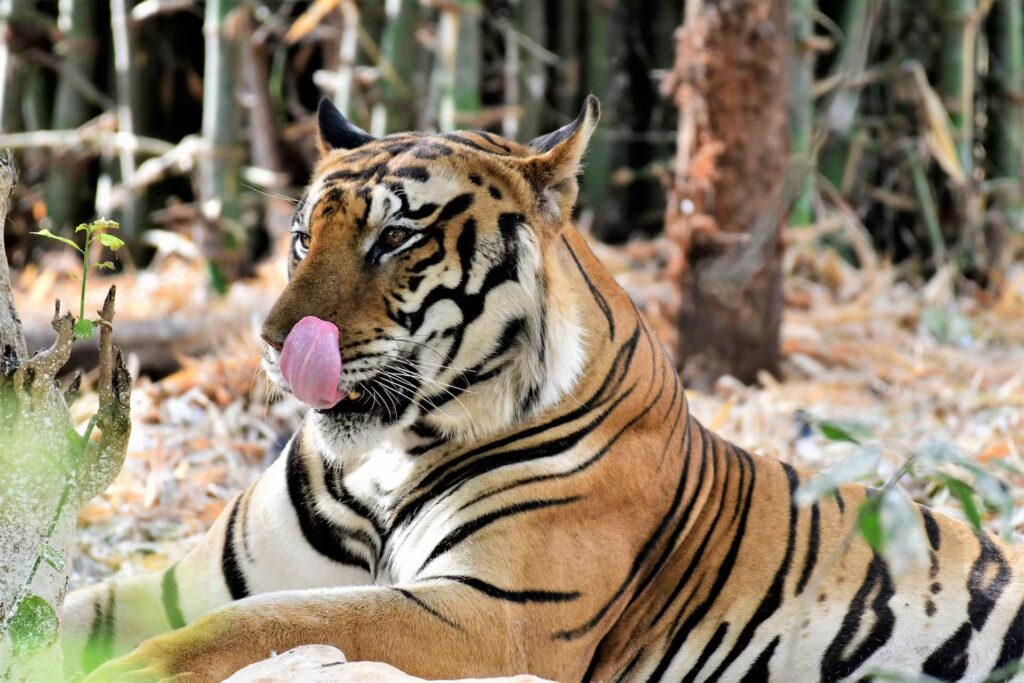
11 Nights / 12 Days
Kaziranga Pench and Tadoba Safari Tour
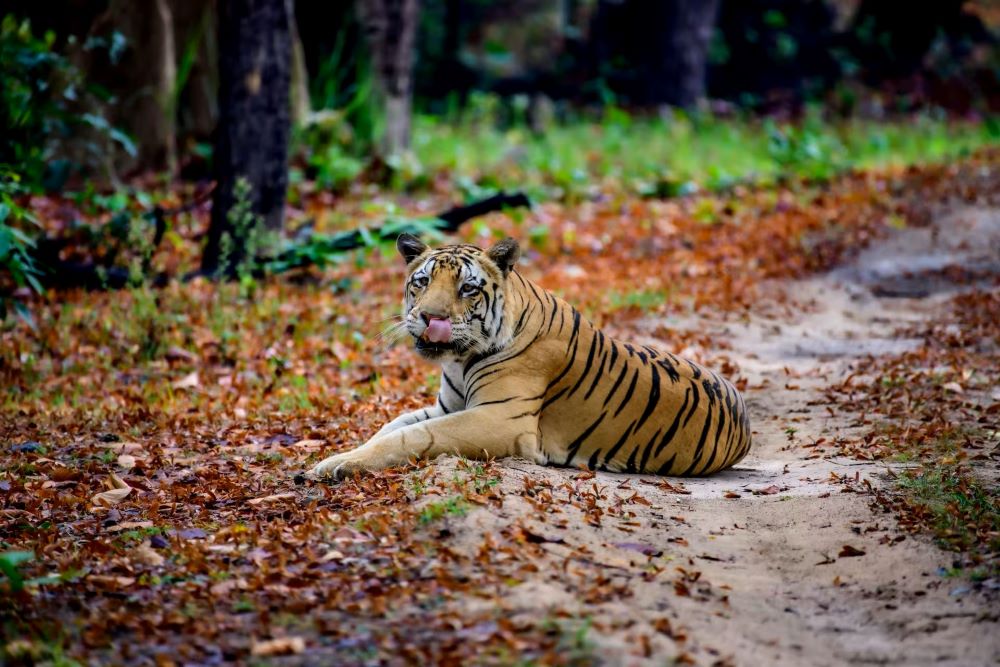
13 Nights / 14 Days
Kaziranga Pench and Kanha Safari
Capture Moments That Last Forever
Kaziranga is a paradise for wildlife photography – majestic one-horned rhinos in the misty grasslands, elephants walking through wetlands, deer grazing at sunrise, and vibrant birds lighting up the sky. Every safari brings a new frame, a new mood, and a story you’ll want to preserve forever.
FAQs – Wildlife Photography in Kaziranga
Is Kaziranga good for wildlife photography?
Yes. Kaziranga offers clear views, tall grass, open wetlands, and close rhino sightings that make photography very rewarding.
What is the best time of day for photography?
Early mornings and late afternoons provide warm light and strong wildlife activity.
Which zones are best for wildlife photography?
Bagori for rhinos, Kohora for balanced landscapes, Agoratoli for birds, and Burapahar for forest scenes.
Can I use a camera on jeep or canter safaris?
Yes. Both allow photography. Jeeps give closer access, while canters offer height for wide shots.
How many safaris should I plan?
At least 2 to 3 safaris help capture different animals, lighting, and landscapes.
Are drones allowed in Kaziranga?
No. Drones are strictly prohibited inside the park.