
About Kaziranga National Park
Park History and Other Information
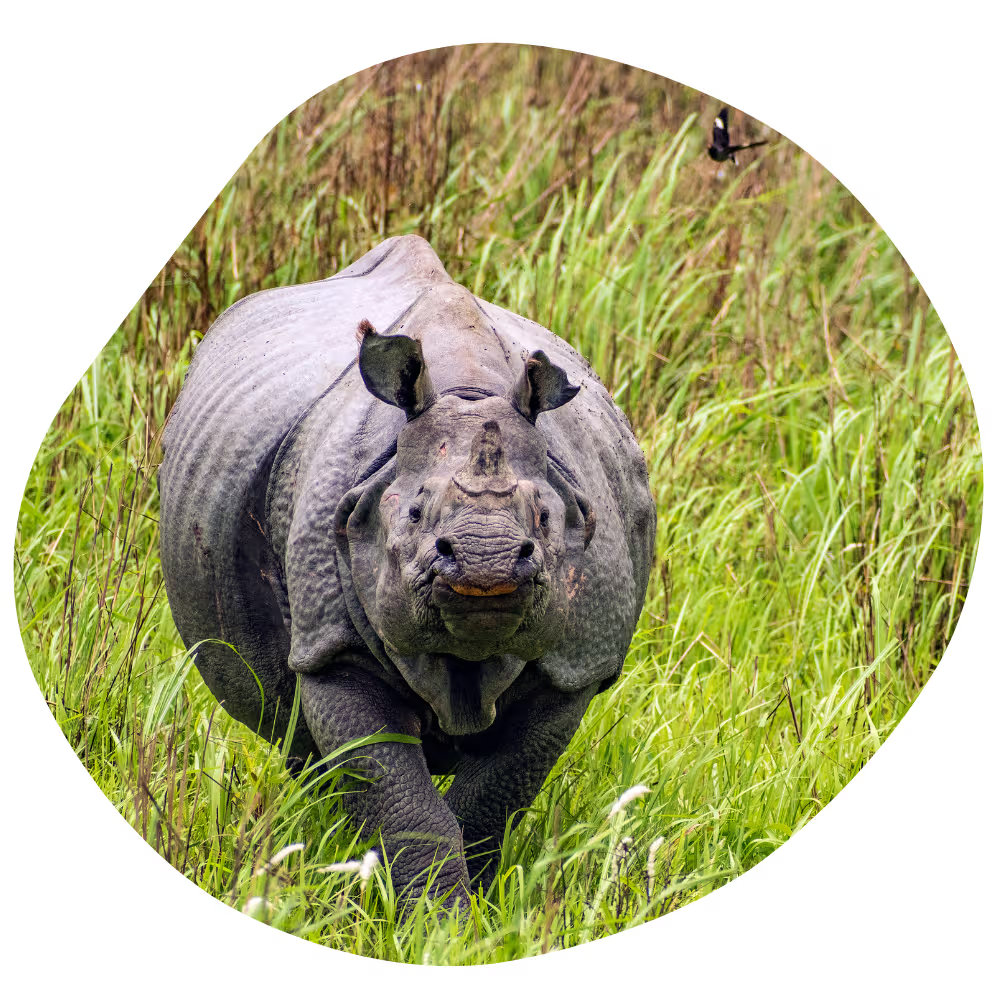
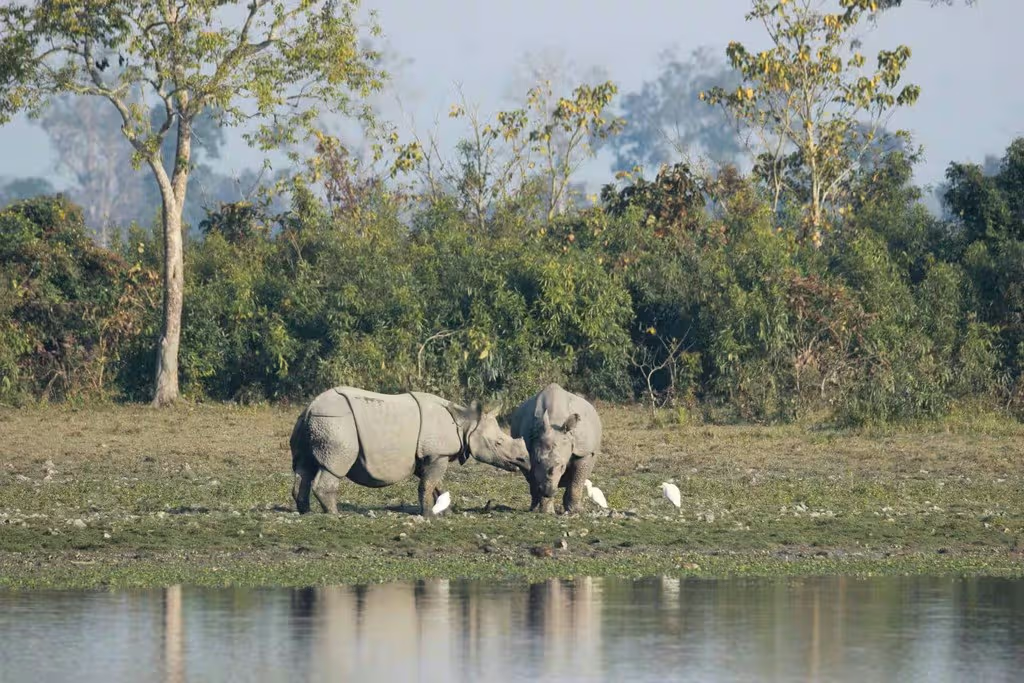
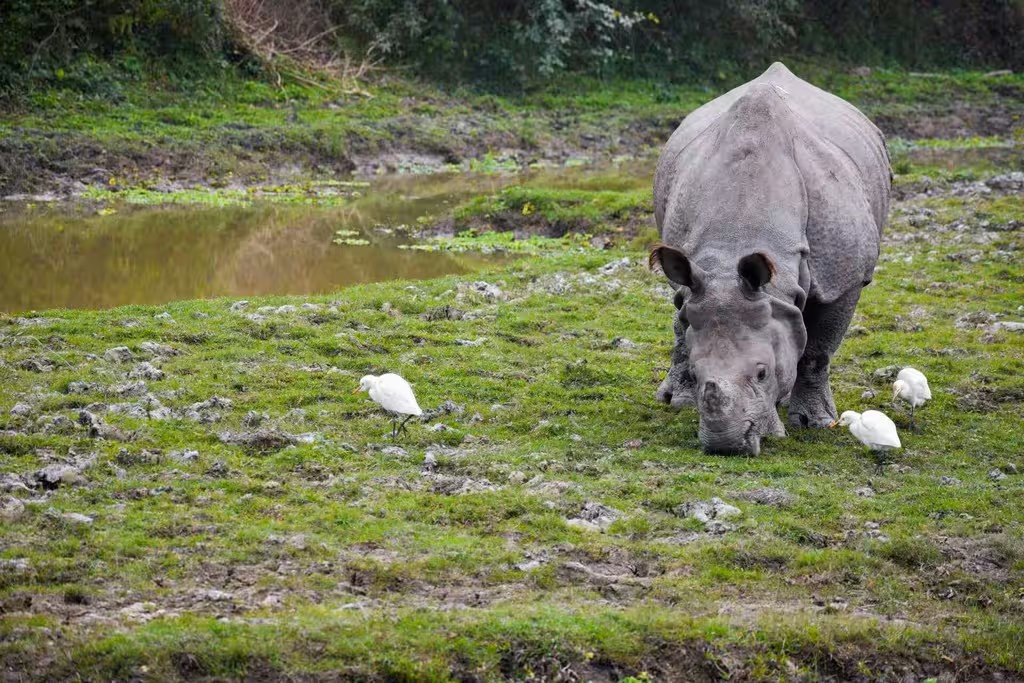
Kaziranga National Park is one of India’s most beautiful wildlife landscapes, located in Assam along the floodplains of the Brahmaputra River. The park covers more than 430 square kilometres and is world famous for protecting the Greater One-Horned Rhinoceros. Today, Kaziranga holds the largest population of this species on the planet, making it a true conservation success story.
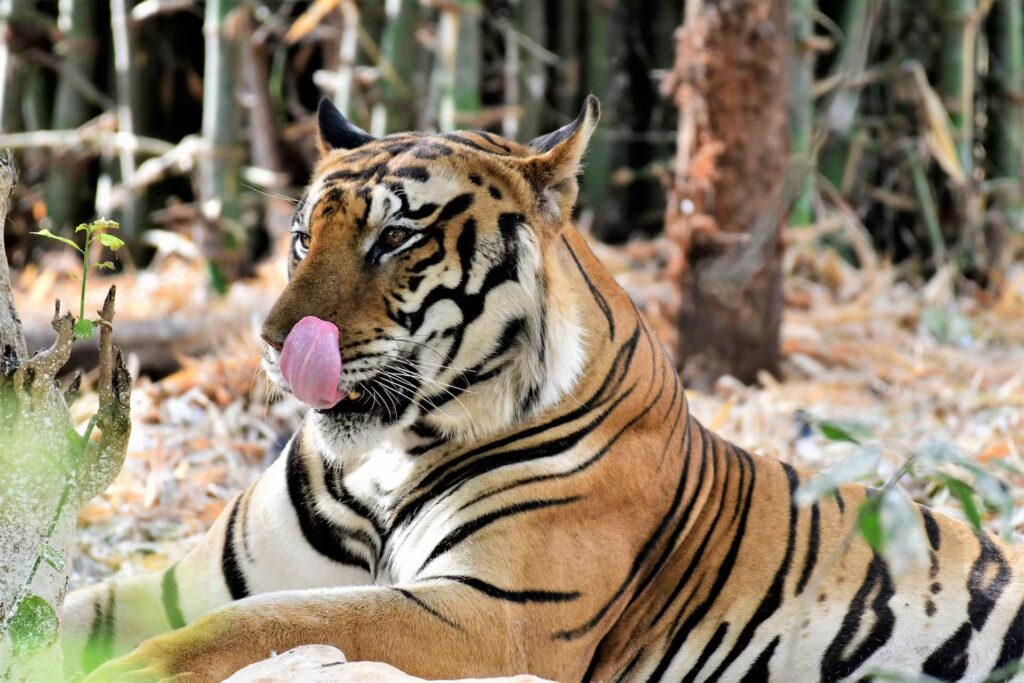
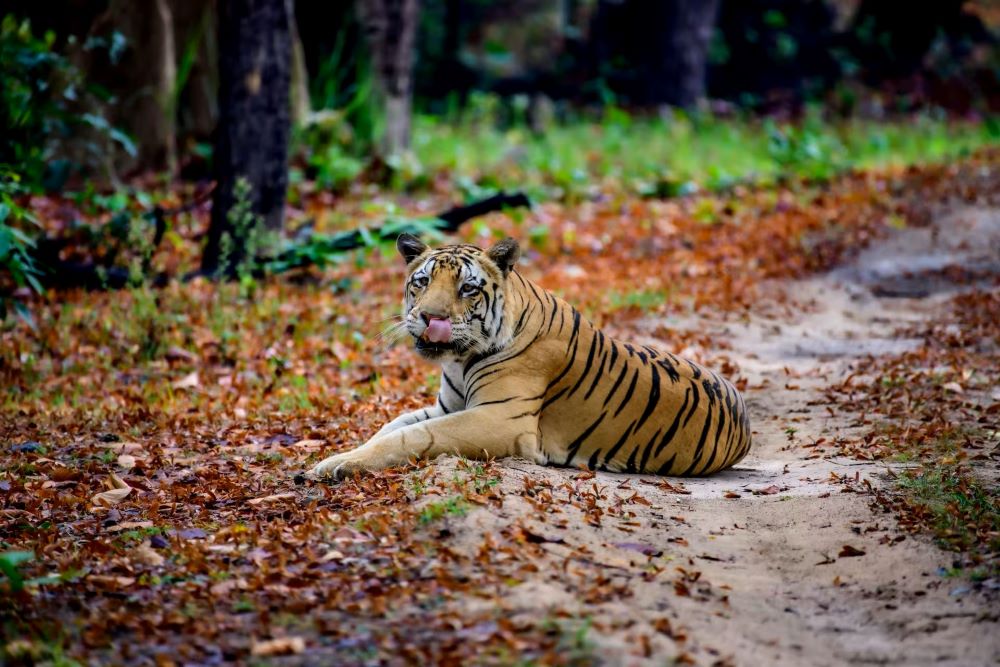
The park is also known for its healthy tiger population, vast grasslands, and rich wetlands that attract thousands of migratory birds. In 1985, Kaziranga was declared a UNESCO World Heritage Site for its unique biodiversity and natural beauty.
History
Below is the historical timeline of Kaziranga and its conservation journey:
1905
Lady Curzon, moved by the declining rhino population, encouraged the creation of a protected area. Kaziranga was first declared a Proposed Reserve Forest.
1908
The area officially became a Reserve Forest.
1916
Kaziranga was upgraded to a Game Sanctuary.
1938
Hunting was banned, strengthening rhino conservation.
1950
After independence, Kaziranga was declared a Wildlife Sanctuary.
1974
Kaziranga was officially designated a National Park.
1985
UNESCO declared Kaziranga a World Heritage Site for its outstanding wildlife.
2006
The park was notified as a Tiger Reserve due to its increasing tiger numbers.
Best Time to Visit
Winter (November to February)
This is the most beautiful time to visit Kaziranga. The weather is cool and pleasant. The grasslands open up wide views that help in spotting rhinos, elephants, and many birds. It is a wonderful season for photography and long peaceful safaris.
Summer (March to May)
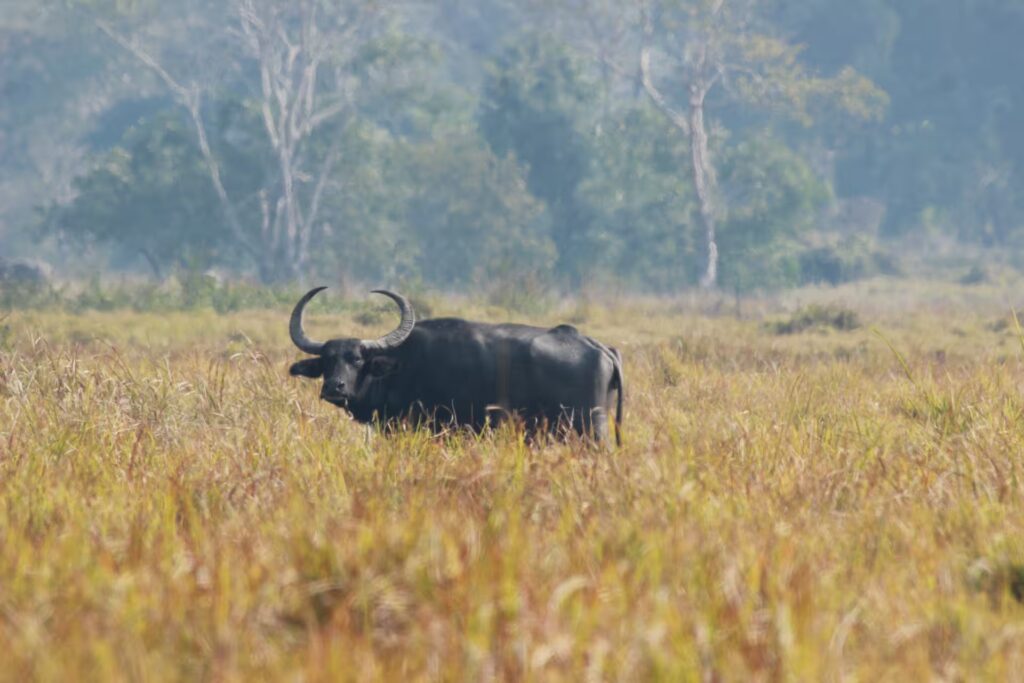
Hot and humid days, but animal sightings improve as wildlife gathers around water bodies. Rhinos, elephants, wild buffaloes, and deer are often seen near the wetlands. Early morning safaris are especially rewarding.
Monsoon (June to September)
The park remains closed due to heavy rainfall and flooding of the Brahmaputra. These floods, although severe, are important for the ecosystem and help maintain the health of the grasslands.
Best Selling Packages
4 Nights / 5 Days
Kaziranga Photography Tour
11 Nights / 12 Days
Kaziranga Pench and Tadoba Safari Tour
13 Nights / 14 Days
Kaziranga Pench and Kanha Safari
FAQs – Kaziranga National Park
Where is Kaziranga National Park located?
Kaziranga is in the state of Assam, India. It lies on the southern bank of the Brahmaputra River and is part of the beautiful Eastern Himalayan biodiversity hotspot.
Why is Kaziranga famous?
Kaziranga is best known for hosting the world’s largest population of the Greater One-Horned Rhinoceros. It is also home to tigers, elephants, wild buffaloes, and an amazing variety of birds.
When was Kaziranga declared a national park?
Kaziranga was declared a national park in 1974 and became a UNESCO World Heritage Site in 1985.
What animals can I see in Kaziranga?
You can see the One-Horned Rhinoceros, Royal Bengal Tiger, Asian Elephant, Wild Water Buffalo, Swamp Deer, and many bird species such as storks, eagles, and migratory ducks.
When is the park open for visitors?
Kaziranga is open from November to April. It remains closed during the monsoon season due to flooding.
National Parks Near Kaziranga
Orang National Park
Nameri National Park
Pobitora Wildlife Sanctuary
Manas National Park