
Home / Flora in Kaziranga
Flora in Kaziranga
Kaziranga National Park is known worldwide for its one horned rhinoceros, but its rich vegetation is equally special. The park has a unique mix of tall grasslands, marshes, tropical forests, and riverine patches shaped by the Brahmaputra. This blend of habitats supports many animals, birds, reptiles, and insects, making Kaziranga one of the most diverse ecosystems in eastern India.
The floodplains, seasonal wetlands, and tall grasses form the backbone of Kaziranga’s ecosystem. Each year, the monsoon brings fresh soil and nutrients, helping the vegetation grow back stronger and thicker.
Dominant Plant and Tree Species
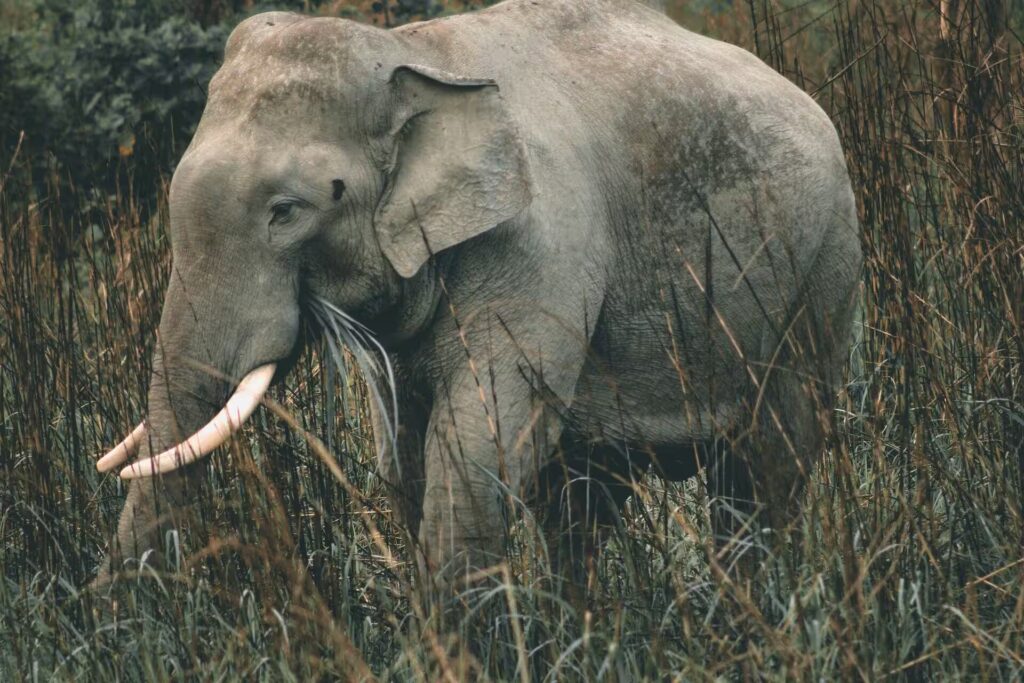
Kaziranga’s vegetation is unique, dominated by tall elephant grass, marsh plants, and patches of semi-evergreen forests. These rich grasslands offer ideal cover and food for rhinos, elephants, swamp deer, and a wide variety of birds.
Common trees include simul, silk cotton, jamun, kadam, and several fig species, while riverbanks support cane, bamboo, and moisture-loving plants.
- Elephant Grass: Tall, dense, and perfect cover for large herbivores.
- Kadam: Moist-area tree with round yellow flowers.
- Simul (Silk Cotton): Tall tree with bright red spring blooms.
- Cane & Bamboo: Thrive along wetlands.
- Fig Trees: Vital food source for birds and monkeys.
Grasslands and Wetlands
Grasslands are the identity of Kaziranga. They are renewed every year after the floods. Fresh shoots attract grazing animals, while taller patches offer good hiding places during the dry months.
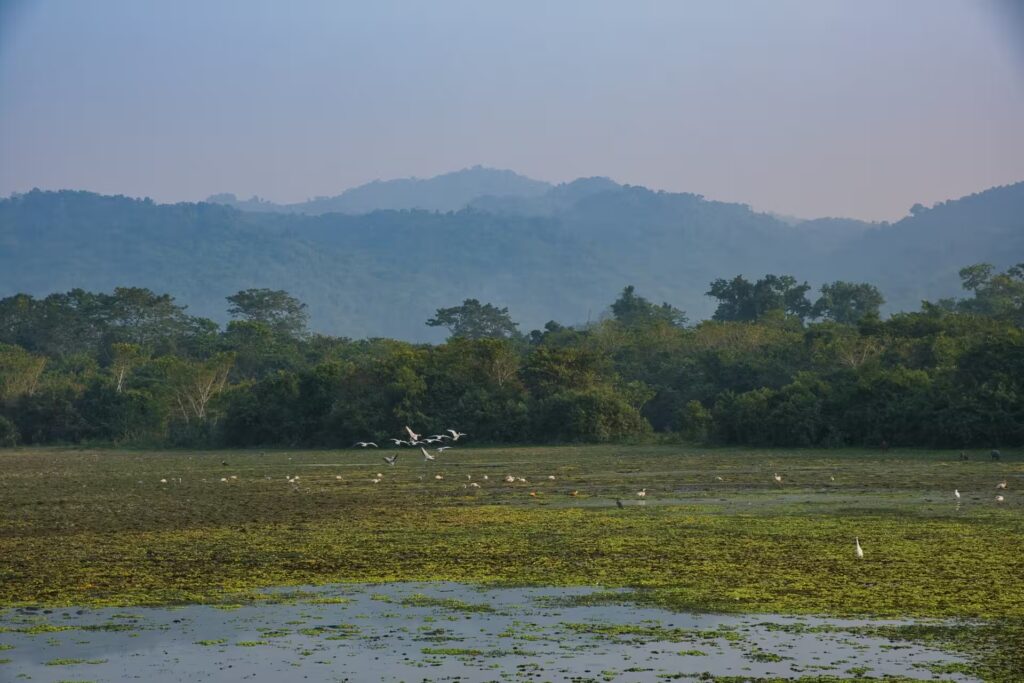
Kaziranga’s wetlands are equally important. Marshes, beels, and oxbow lakes house many bird species, fish, turtles, and reptiles. These water rich areas support the entire food chain of the park.
Open wet meadows also help visitors see rhinos, elephants, buffaloes, and large flocks of birds.
Medicinal and Lesser Known Plants
Kaziranga is home to many medicinal plants used by local communities in Assam.
You can find species of tulsi, bohera, neem, arjuna, and several native herbs along forest patches and village edges.
Flowering plants appear throughout the year. Seasonal blooms from simul, jarul, and wild orchids add colour to the forest.
Many creepers and climbers grow along moist trails, especially during and after the monsoon.
Major Flora of Kaziranga – Common and Botanical Names
| Common Name(s) | Scientific Name |
|---|---|
| Elephant Grass | Saccharum spontaneum |
| Cane | Calamus species |
| Bamboo | Bambusa species |
| Kadam | Neolamarckia cadamba |
| Simul | Bombax ceiba |
| Arjun | Terminalia arjuna |
| Jamun | Syzygium cumini |
| Neem | Azadirachta indica |
| Bohera | Terminalia bellirica |
| Siris | Albizia lebbeck |
| Figs | Ficus species |
Seasonal Changes in Vegetation
Winter (November to February)
Grass height reduces, and visibility improves. Wetlands stay active with migratory birds, and trees hold fresh leaves.
Summer (March to April)
Grasslands dry slightly, which reveals more open patches. Trees like simul bloom with bright flowers, and many marsh plants remain green.
Monsoon (May to October)
Kaziranga receives heavy rainfall. Much of the park floods, but this cycle nourishes the soil. When the water recedes, fresh grasslands and new shoots appear across the landscape.
Kaziranga Best Selling Packages
4 Nights / 5 Days
Kaziranga Photography Tour
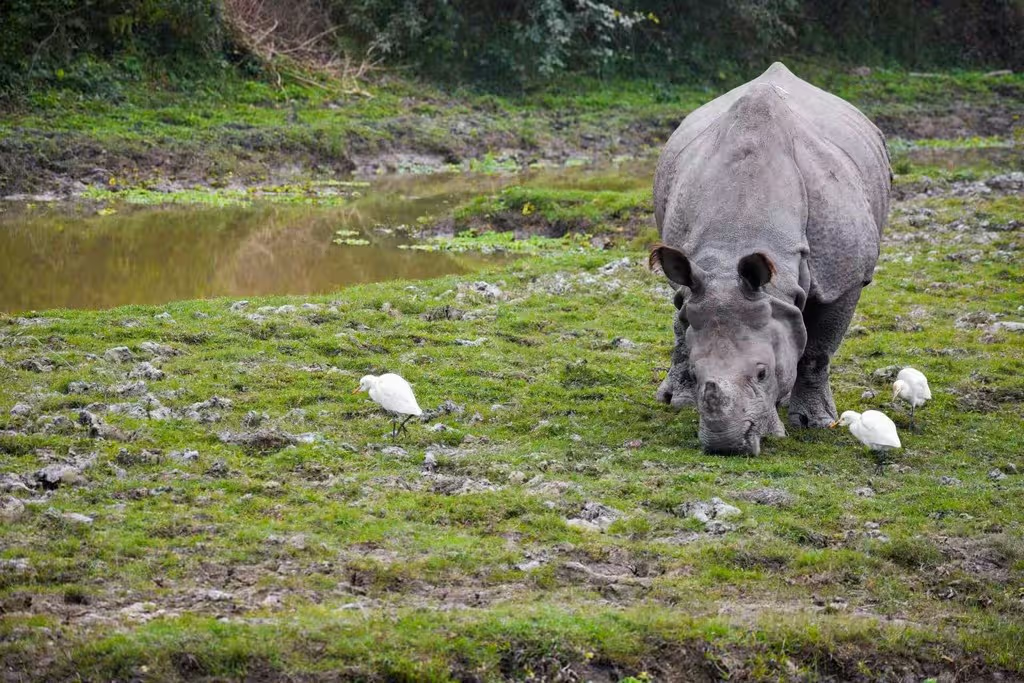
11 Nights / 12 Days
Kaziranga Pench and Tadoba Safari Tour
13 Nights / 14 Days
Kaziranga Pench and Kanha Safari
FAQs – Flora in Kaziranga
What type of vegetation is common in Kaziranga?
Tall grasslands, marsh plants, riverine trees, and semi evergreen forests make up most of the vegetation.
Why are grasslands important in Kaziranga?
They feed rhinos, elephants, swamp deer, and cattle birds. They also renew every year after floods, keeping the habitat healthy.
Can visitors see flowering trees in Kaziranga?
Yes, simul, kadam, and several wildflowers bloom during winter and early summer.
Are there medicinal plants in Kaziranga?
Yes, many herbs and trees like neem, arjun, tulsi, and bohera grow across the park and are used in local remedies.